Teaching Philosophy
My teaching is rooted in the belief that learning happens through participation, presence, and trust. In ceramics and three-dimensional design, students do not simply acquire technical skills; they develop relationships with material, time, and themselves.
I approach the studio as a space of inquiry rather than performance. Students are encouraged to experiment, observe, fail productively, and reflect on process as an essential form of knowledge. This framework is particularly important in clay, where patience, responsiveness, and adaptability are inseparable from success.
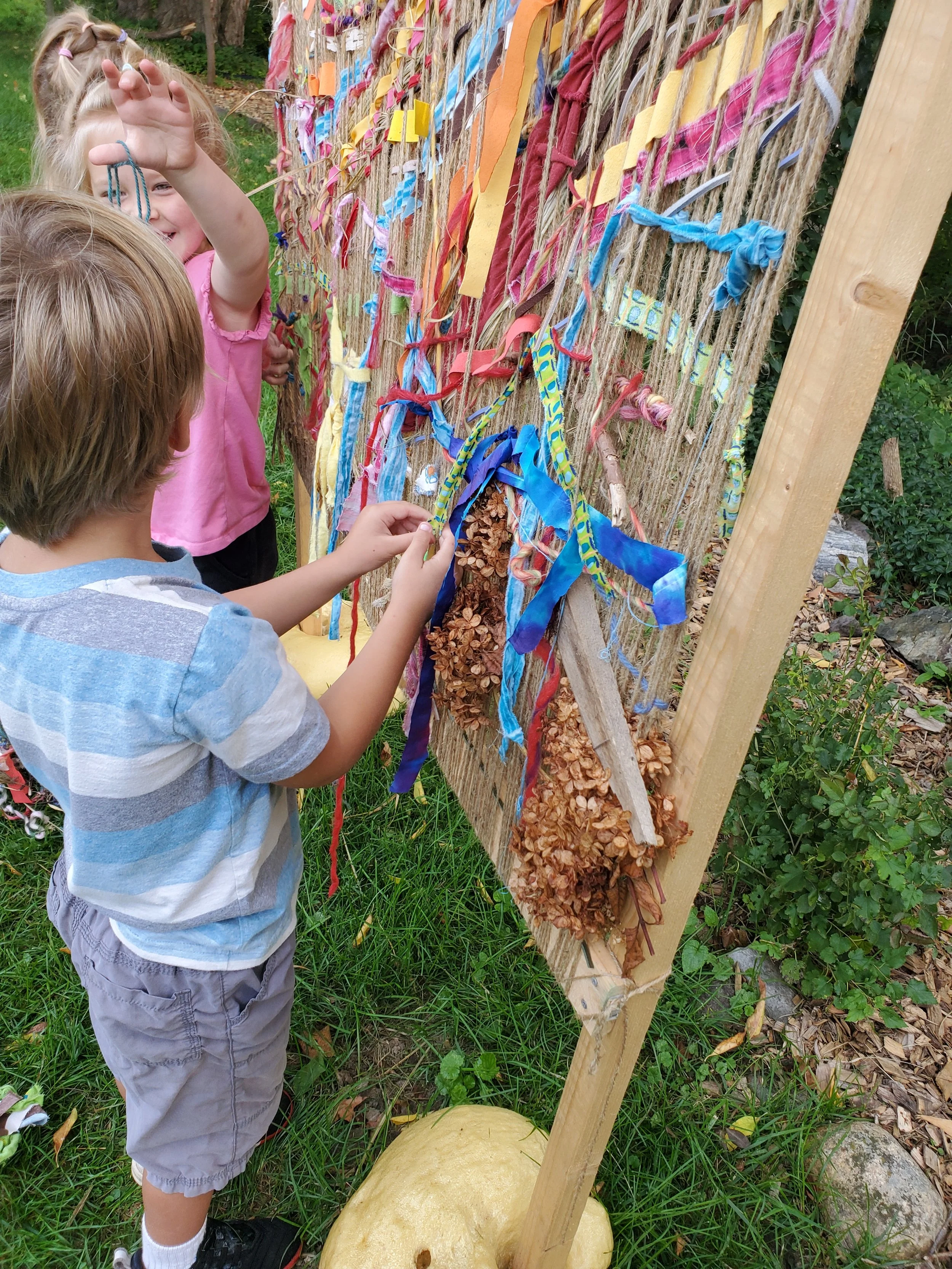
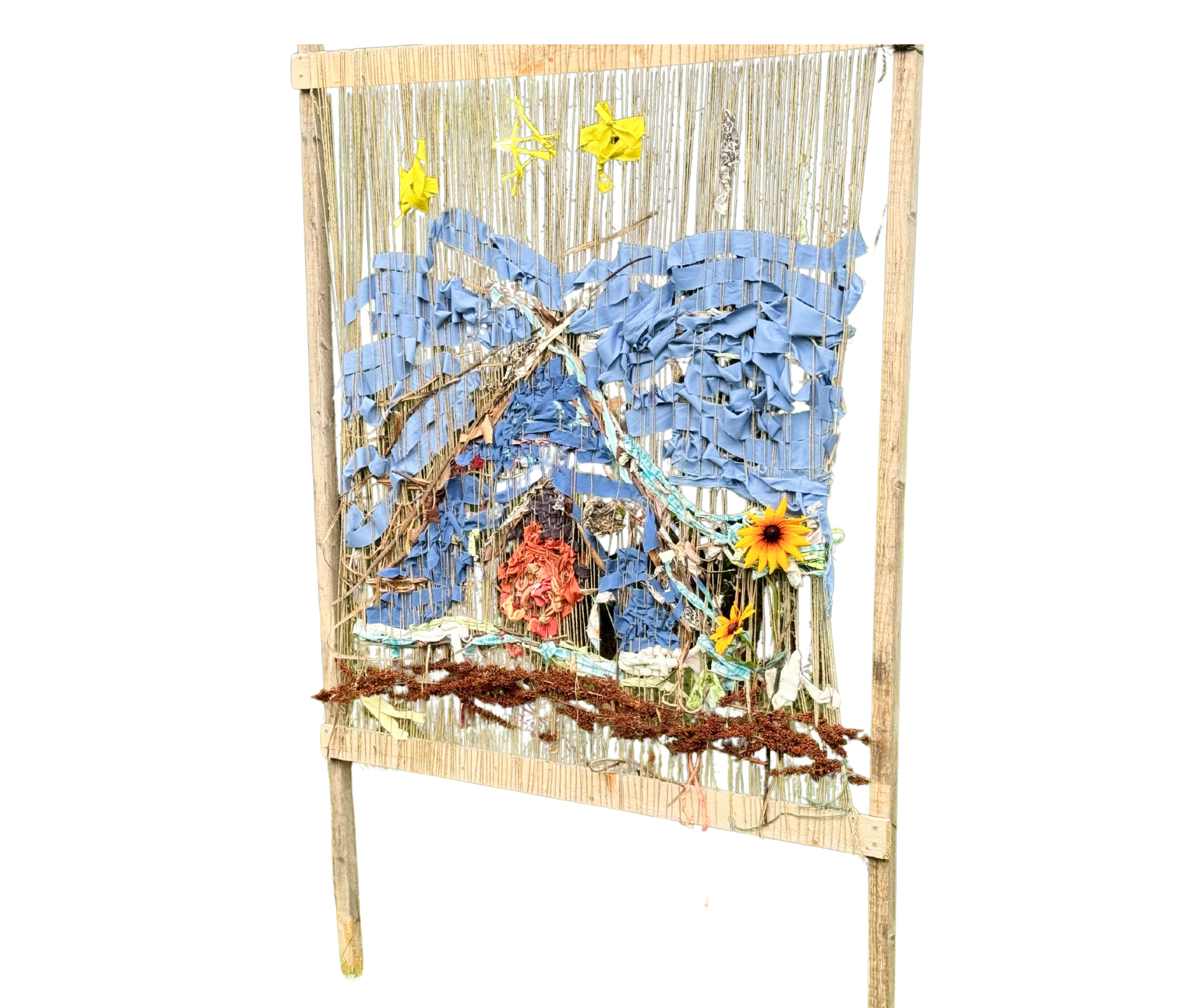
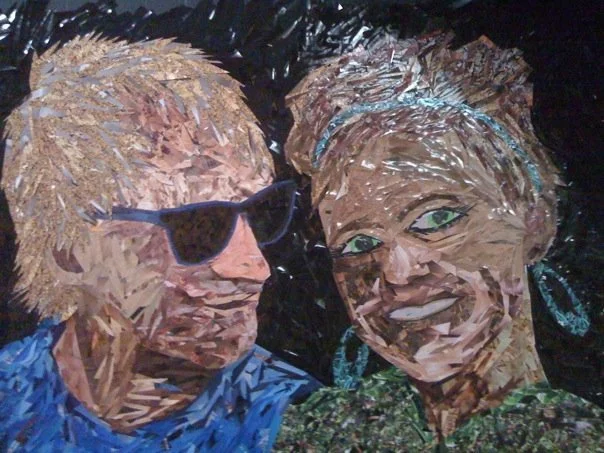
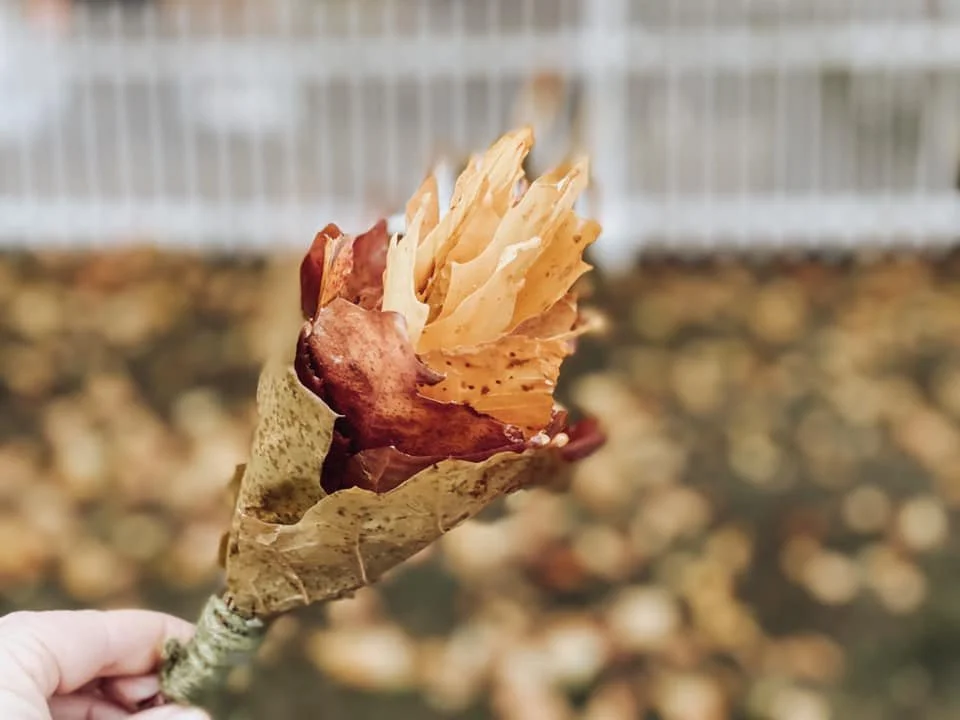
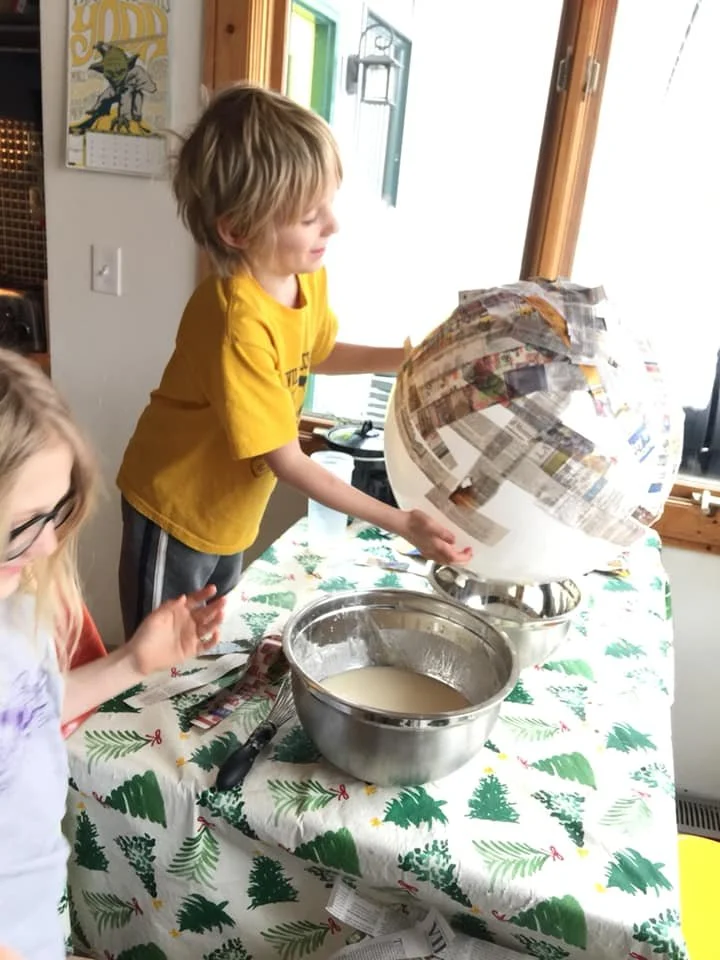
Participatory art forms the foundation of my pedagogy. Through collaborative projects, shared rituals of making, and community-centered inquiry, students experience art as a relational practice. These experiences build confidence, self-regulation, and creative agency, particularly for students who may feel uncertain about their artistic voice.
Storytelling and lineage play a central role in my teaching. By introducing students to the histories, mentors, and communities that shape artistic practice, I help them situate their work within a broader continuum. This approach reinforces the idea that artists do not emerge in isolation, but through networks of care, influence, and shared learning.
My courses emphasize process documentation, reflection, and critique as tools for meaning-making. Students learn to articulate their ideas verbally and visually, strengthening both creative clarity and critical thinking.
Ultimately, my goal is to create studio environments where students feel safe enough to take risks and supported enough to persist. When students experience making as an act of belonging, they are more willing to engage deeply, think critically, and trust their creative instincts.