Art Is Not Extra. It Is Oxygen.
I am an artist and educator who believes that making is not something we do after life is finished, but something that allows life to be lived fully.
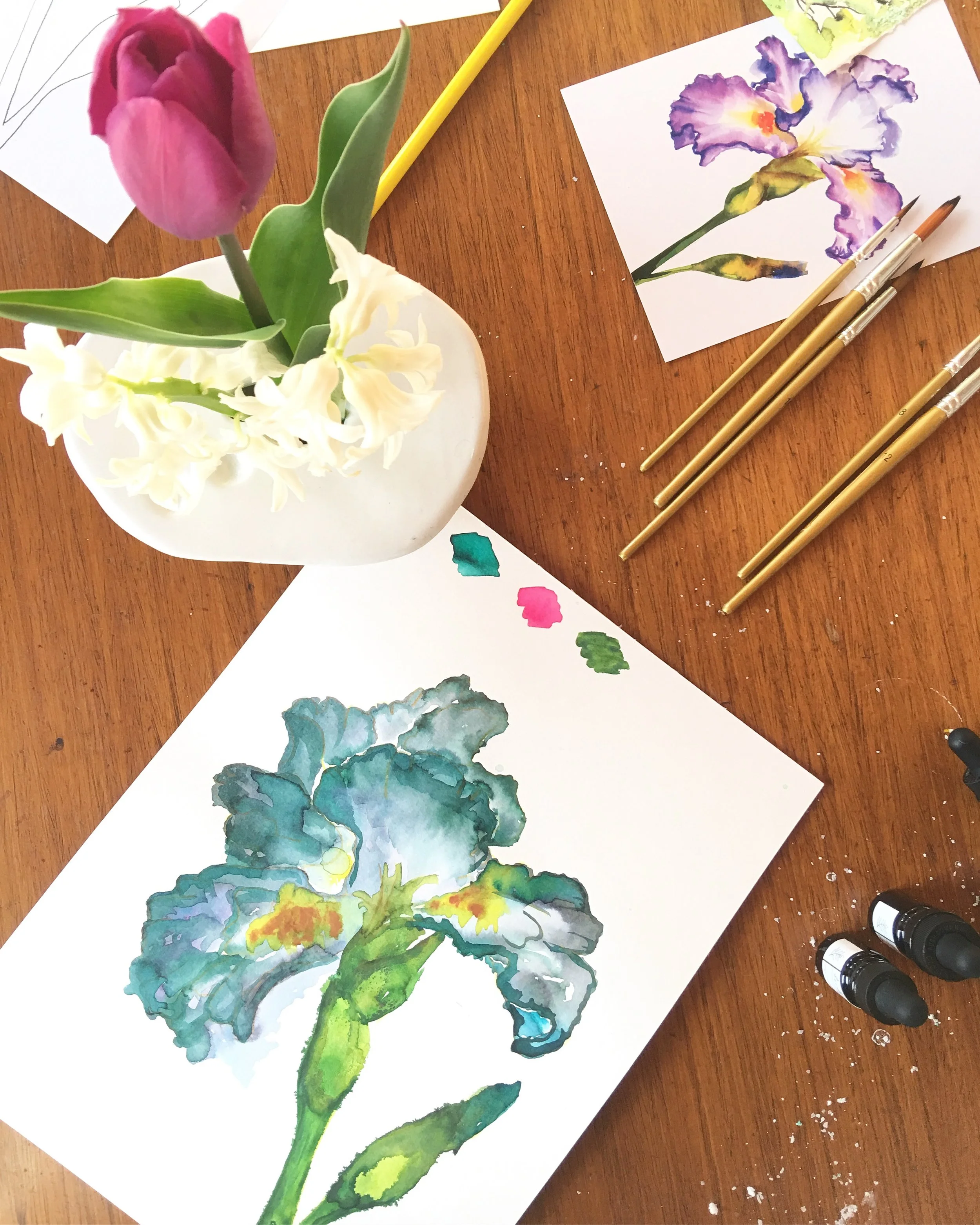
My relationship with art has always been both playful and deeply committed. I approach creative practice with curiosity, color, humor, and wonder, while holding an unwavering belief in its necessity. Art is not decoration or enrichment. It is regulation, language, and survival. It is how many of us learn to breathe again.
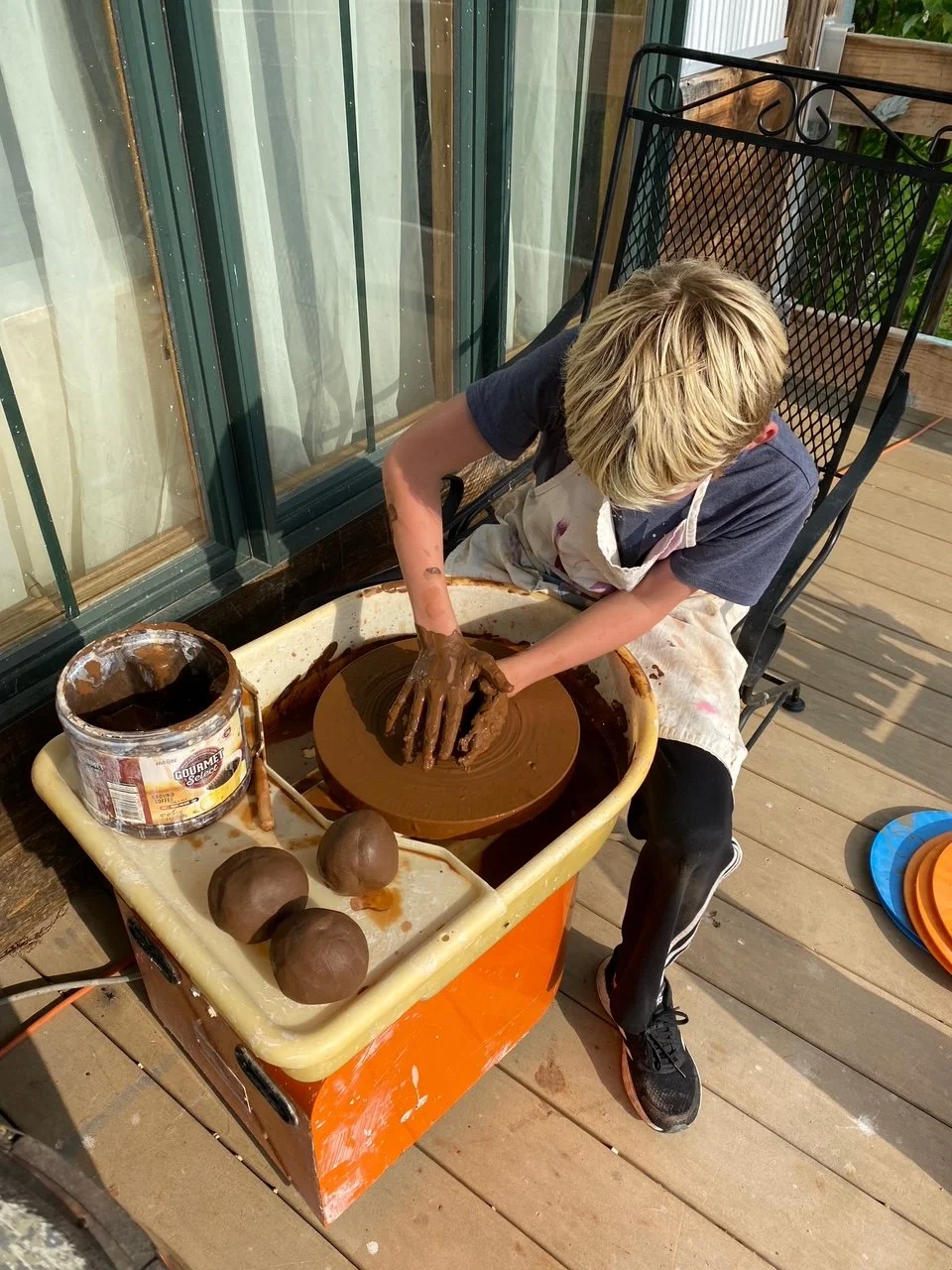
I work with clay, movement, story, and participatory processes to help people return to making as a natural human instinct rather than a specialized talent.
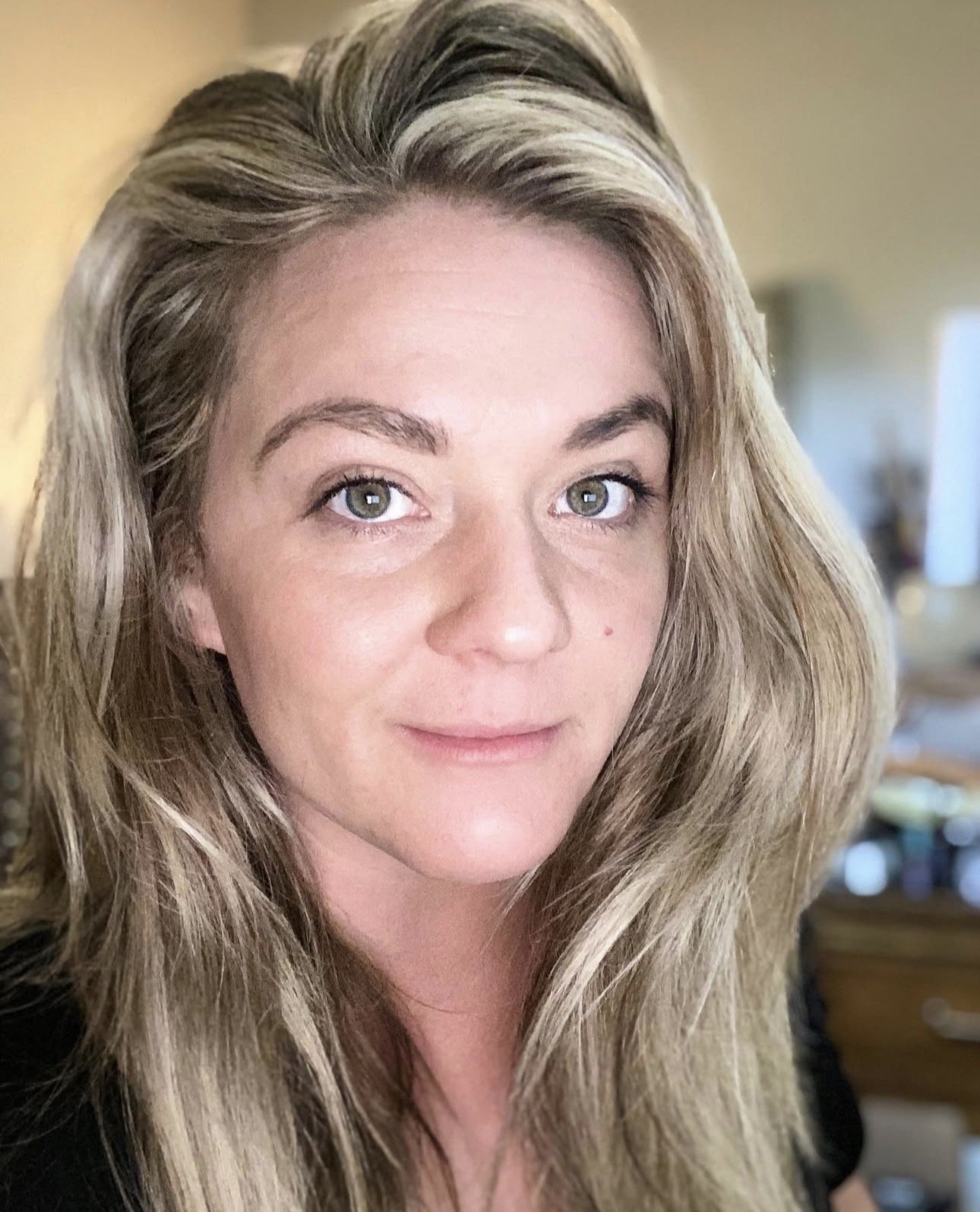
About Beth Mateskon
Playful and Serious at the Same Time
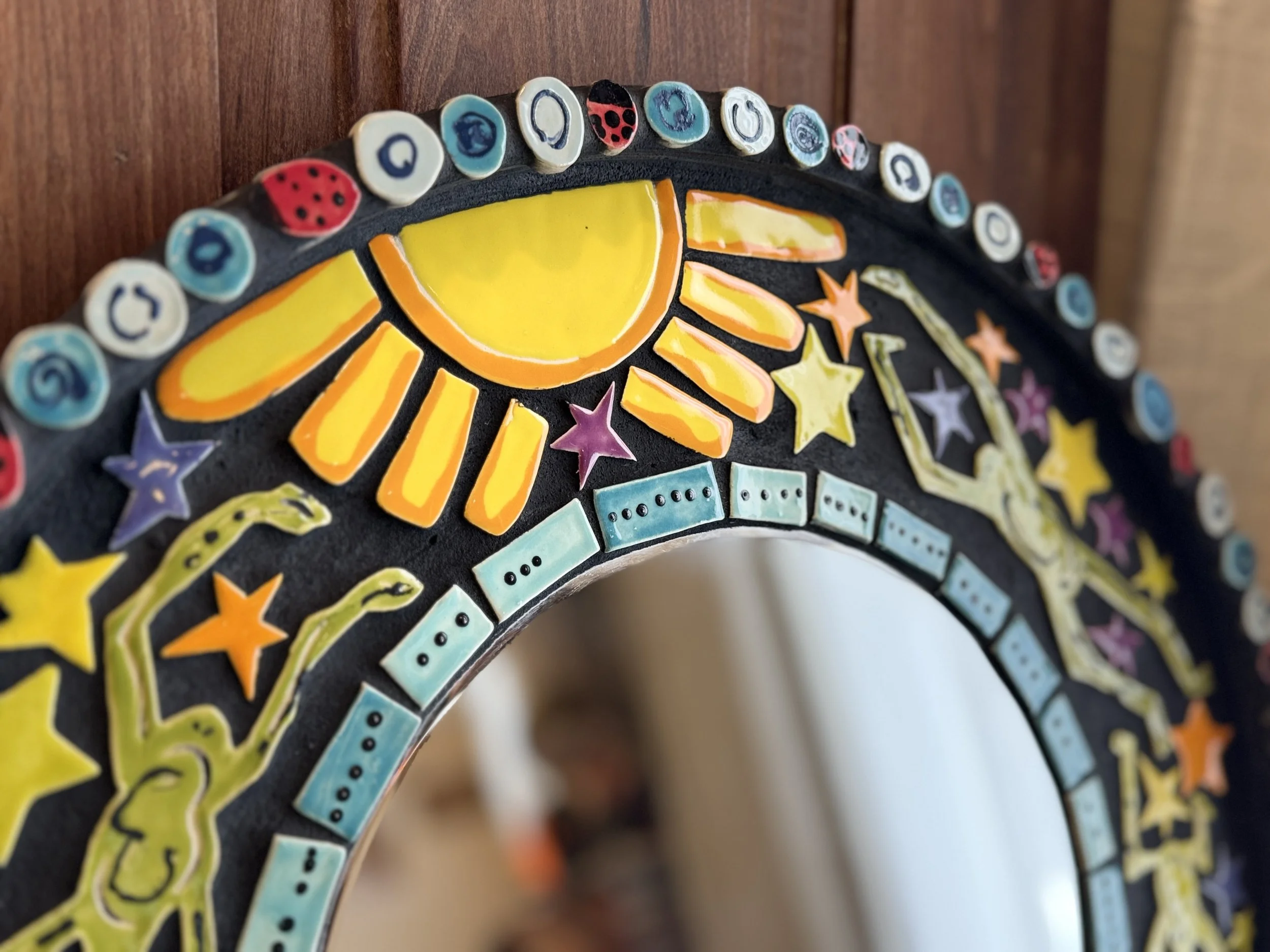
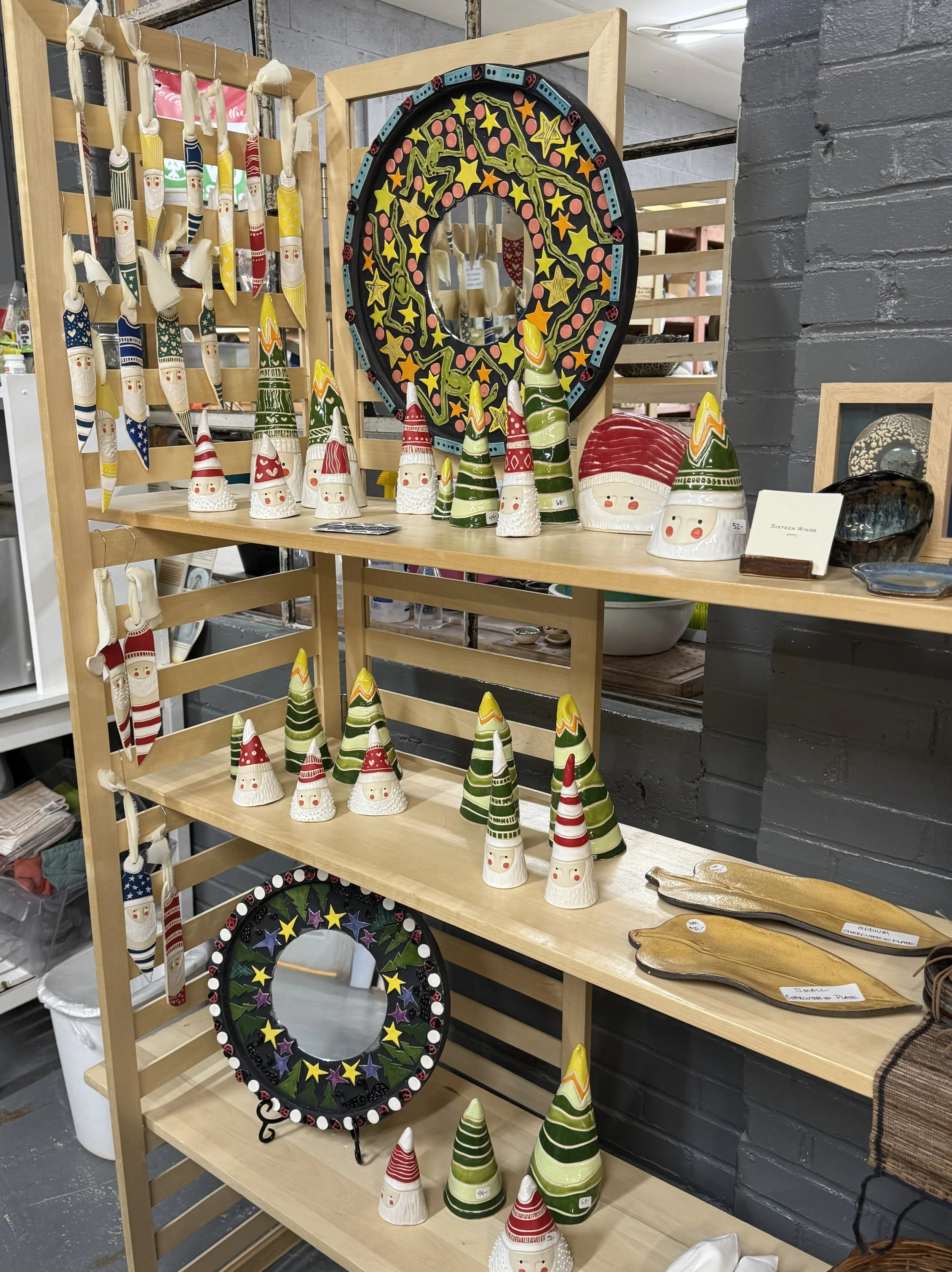
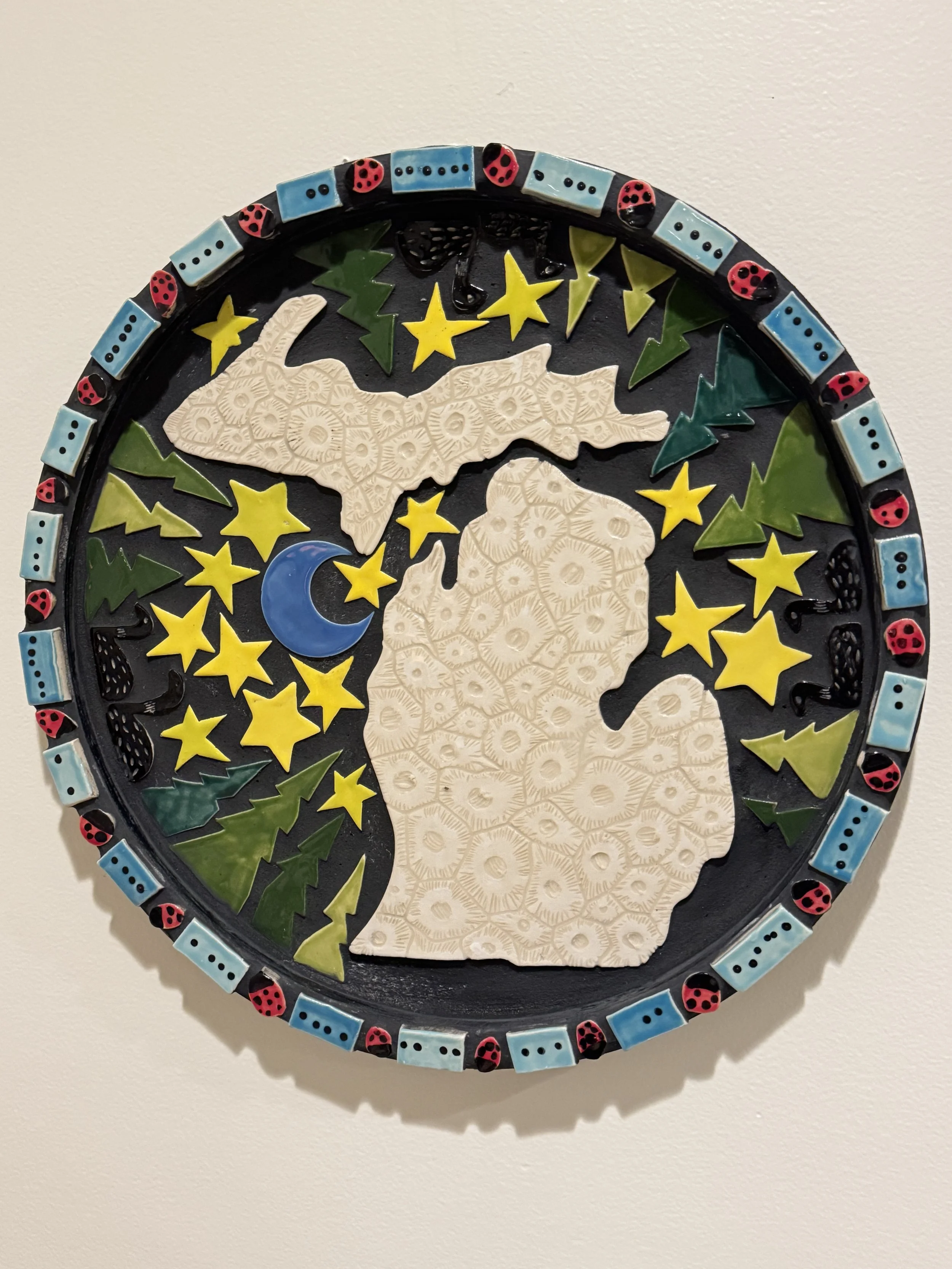
My studio practice lives at the intersection of joy and devotion.
I believe that play is not the opposite of rigor. It is often the pathway into it. When students and artists feel safe enough to experiment, laugh, and fail openly, they become capable of deeper focus, longer attention, and sustained creative commitment.
In my teaching and research, play functions as invitation. Seriousness follows naturally when curiosity is honored.
This balance allows art to remain accessible without becoming shallow, and disciplined without becoming rigid.

Coregulation Comes First
Before self regulation is possible, regulation must be shared.
My work is grounded in the understanding that creativity often returns through relationship. Many students and adults arrive in the studio carrying fear, comparison, or long histories of being told they are “not artistic.” Expecting independent confidence too early often reinforces those wounds.
Through coregulated studio environments, where making happens together, safety is rebuilt through presence rather than pressure. Observation, mirroring, shared rhythms, and collective processes allow nervous systems to settle.
From that place, independence emerges naturally.
From Coregulation to Self Regulation
Once trust is established, my teaching and studio structures intentionally guide artists toward self regulation.
This includes:
repeatable studio rituals
process-based entry points into making
reflective documentation practices
material conversations rather than performance-based critique
permission to move slowly
These frameworks help artists develop internal steadiness and sustainable creative habits
that extend far beyond the classroom.
The goal is not constant productivity, but a lifelong relationship with making.
Participatory Art as Pedagogy
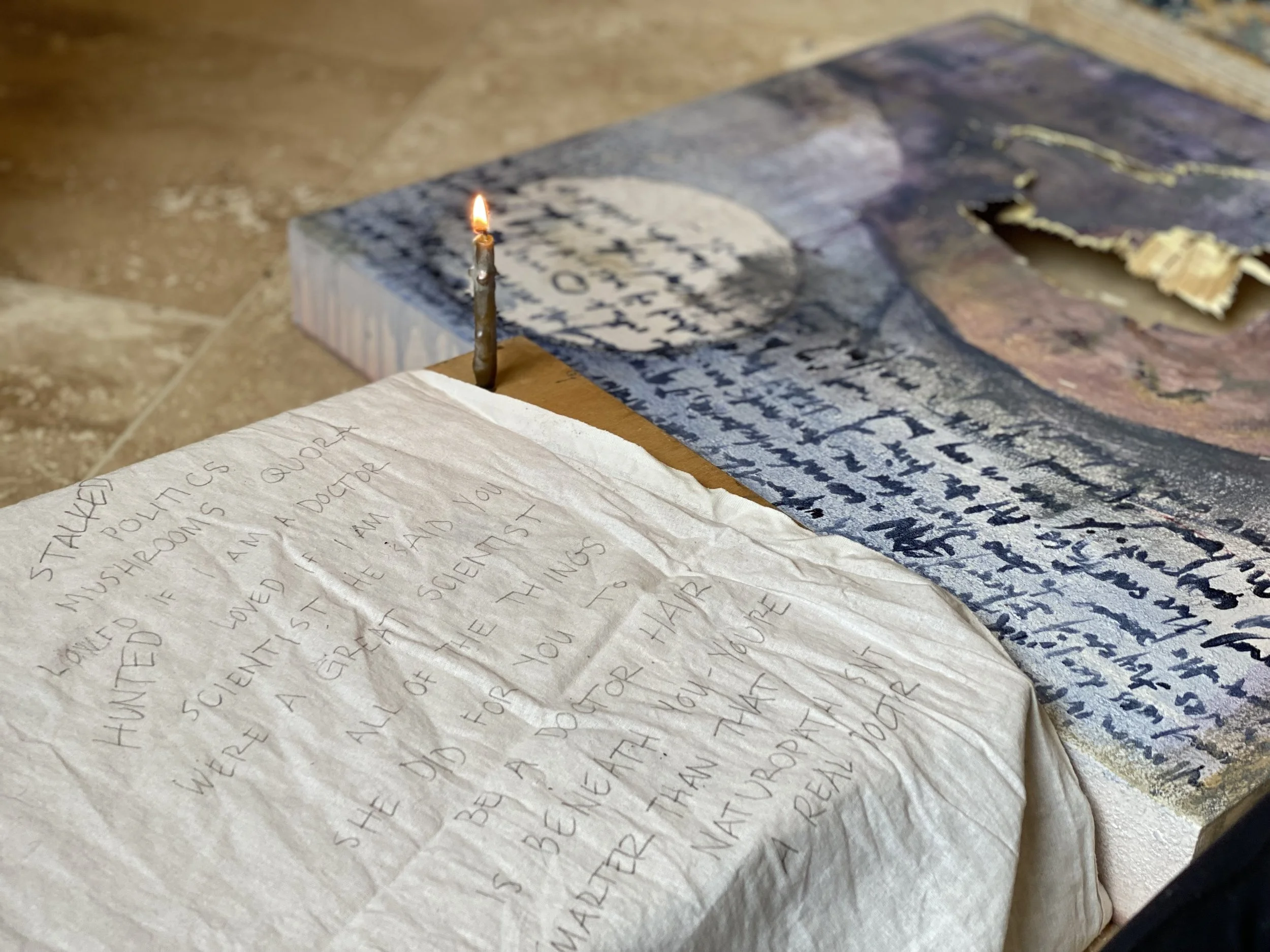
Much of my work takes place through participatory art practices that emphasize shared authorship, impermanence, and embodied experience.
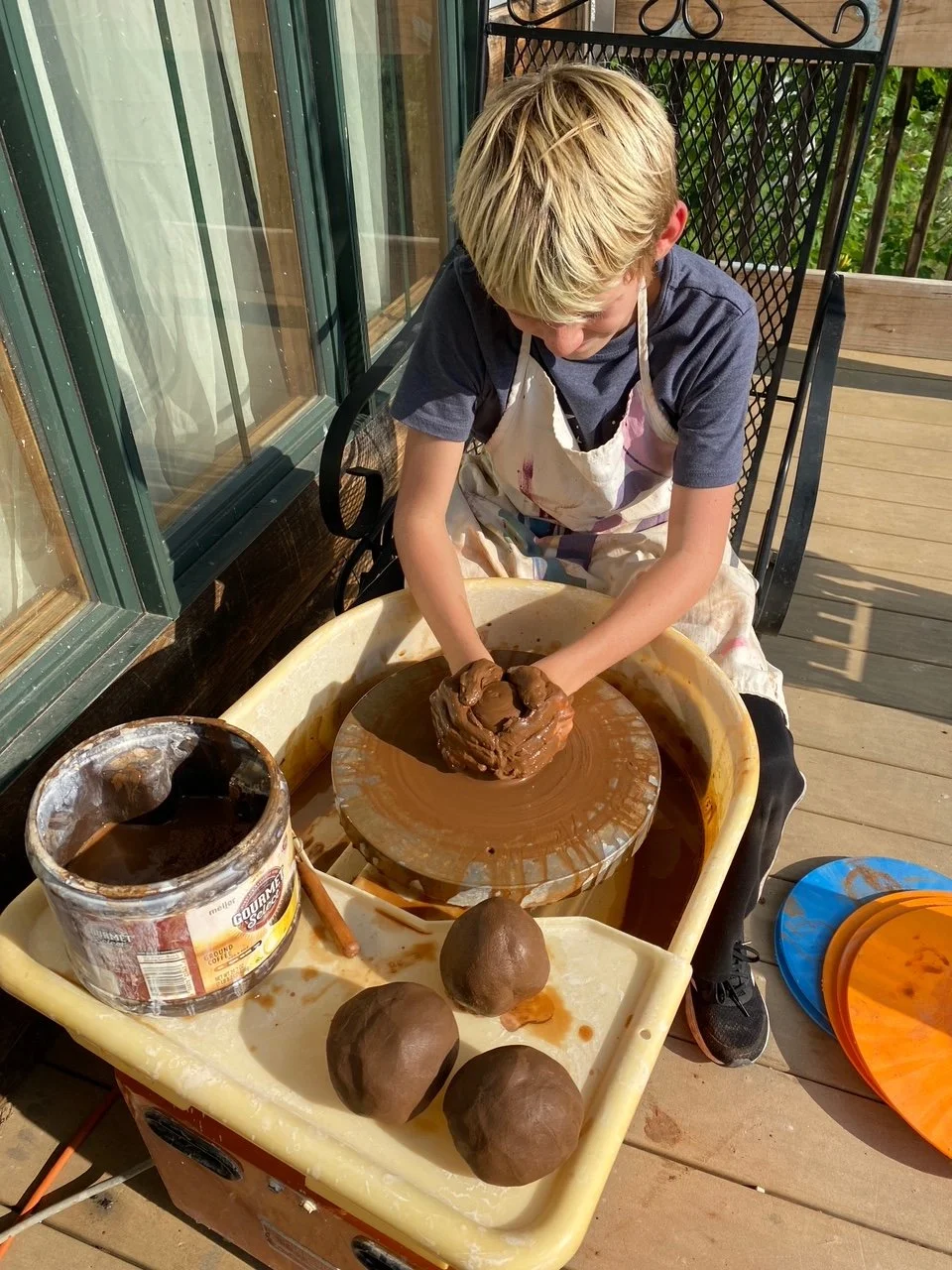
Walking, gathering, storytelling, mandala-making, and collaborative clay work invite participants into art without intimidation. These practices dissolve hierarchy and allow individuals to enter at their own pace.
Participatory art becomes both research method and teaching philosophy. It opens pathways into creativity for those who have felt excluded and deepens practice for those already committed.
Teaching as Stewardship
I see teaching as an act of stewardship.
Students are not empty vessels to be filled, but living carriers of potential, history, and intuition. My role is not to shape them into a singular aesthetic, but to help them develop the confidence and discernment to recognize their own voice.
By teaching art as relationship rather than product, students learn how to stay in conversation with their work, their material, and themselves.
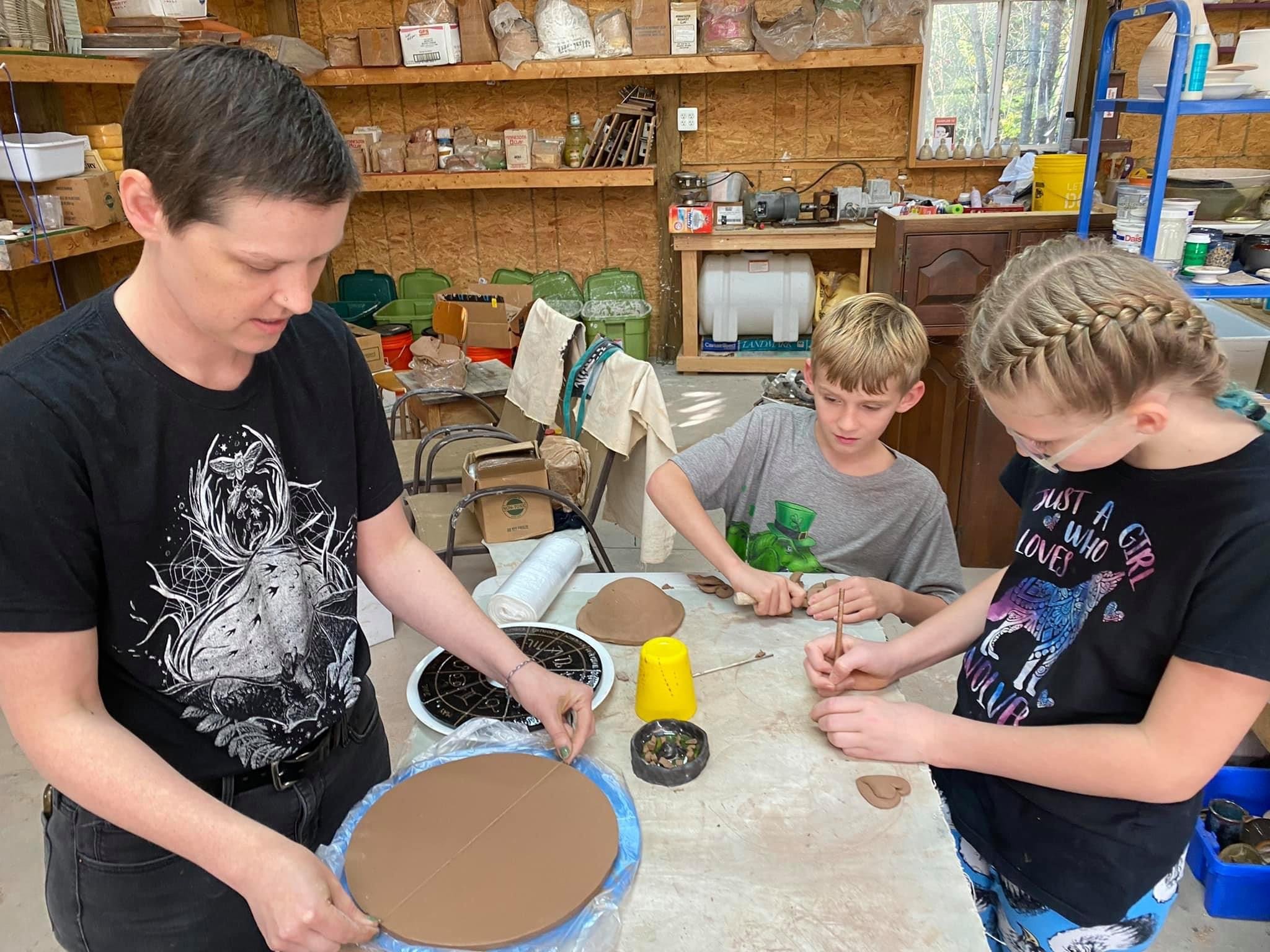
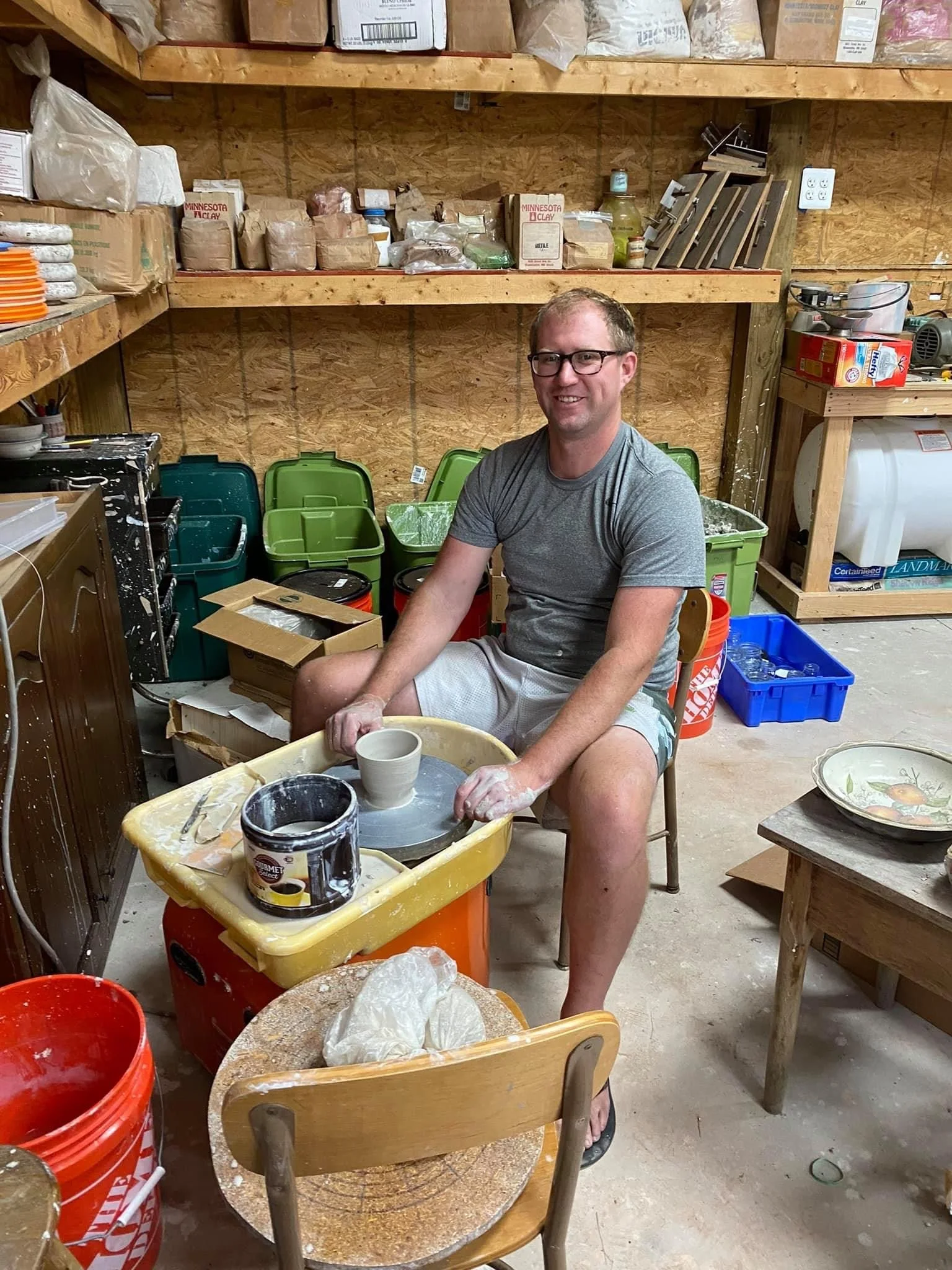
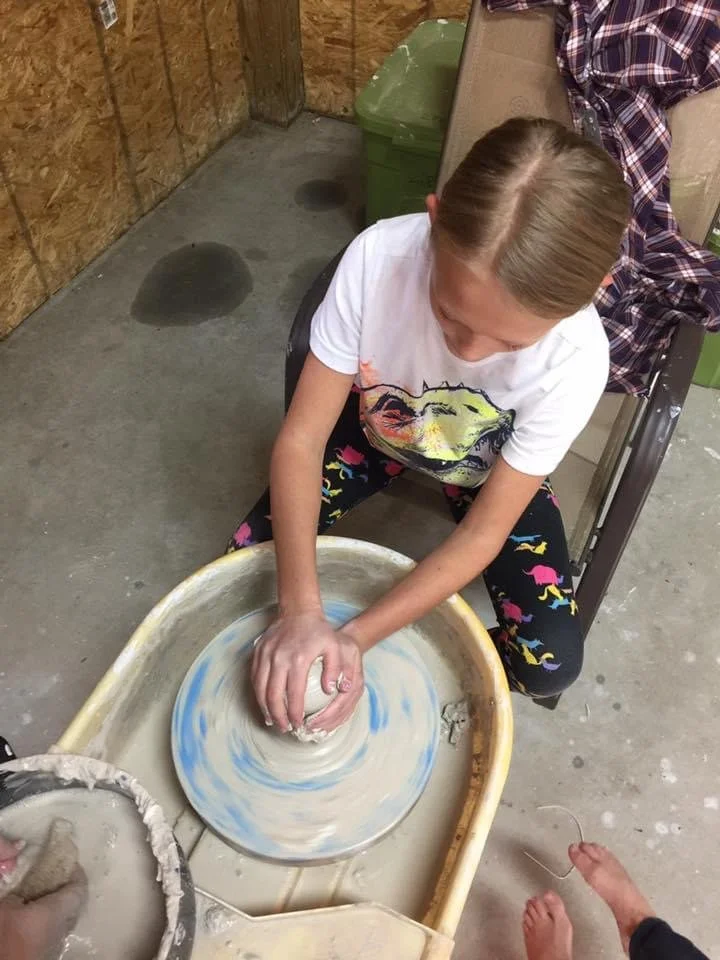
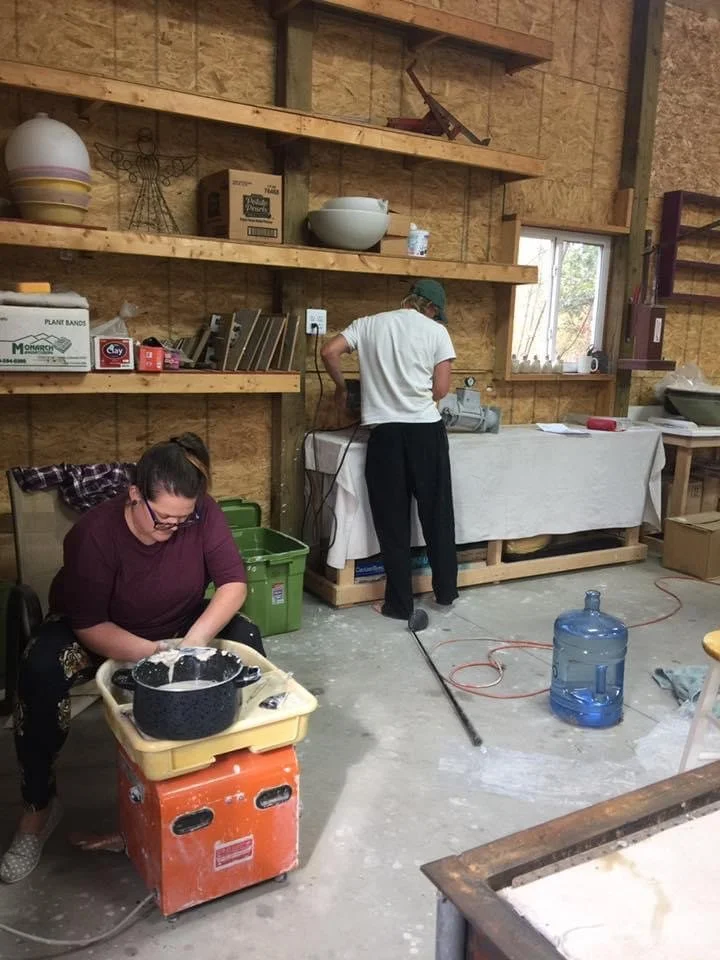
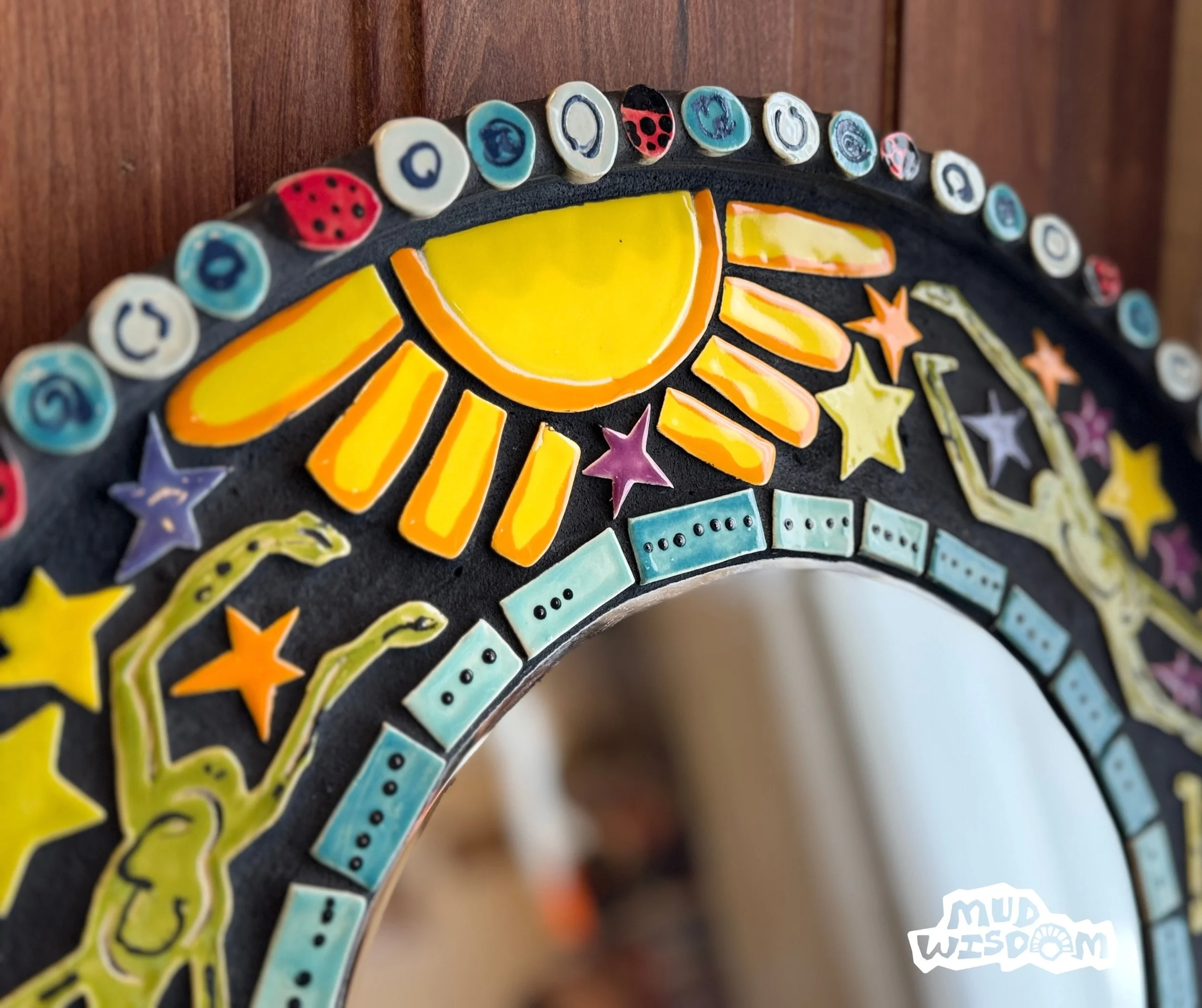
My work extends across ceramics, participatory art, community-based research, and storytelling. Through my studio practice, teaching, and research, I seek to build environments where creativity is not something earned, but something remembered.
Art does not need to be rescued.
It needs to be returned to.
I remain deeply committed to art not as outcome, but as practice. Not as performance, but as presence. Not as talent, but as a way of staying alive.
A Life Rooted in Making