THE ART OF WALKING
A participatory art inquiry exploring walking as a method of observation, attention, and creative engagement with place.
Project Overview
The Art of Walking investigates walking as an artistic methodology rather than a means of transit. Developed in collaboration with a curator at Frederik Meijer Gardens and Sculpture Park, the project invites participants to slow down, observe, and experience landscape as an active collaborator in the creative process.
Through guided walks, gathering practices, and reflective making, participants explore how movement shapes perception and how attention itself becomes a form of artistic inquiry.
This research challenges speed-driven modes of production and reframes artmaking as a practice of presence.
Research Questions
What is being explored
How walking functions as an artistic method that heightens observation, perception, and embodied learning.
Why it matters
In a culture oriented toward efficiency, walking reintroduces slowness, attentiveness, and sensory awareness as foundational creative skills.
Who it serves
Students, educators, artists, and community participants seeking accessible pathways into creative engagement.
Selected Images & Documentation: Discovery




“People usually consider walking on water a miracle. But the real miracle is to walk on earth… Every day we are engaged in a miracle which we don’t even recognize.”
-Thich Nhat Hanh
Why this connects to mandala practice:
Thich Nhat Hanh taught that slowness restores perception. When we walk slowly and deliberately:
we begin noticing sky, leaves, wind, breath
our attention returns to the body
the world becomes textured again
Mindful walking is therefore a preparatory state for art, because it trains the mind to see patterns, rhythm, and beauty in ordinary life.
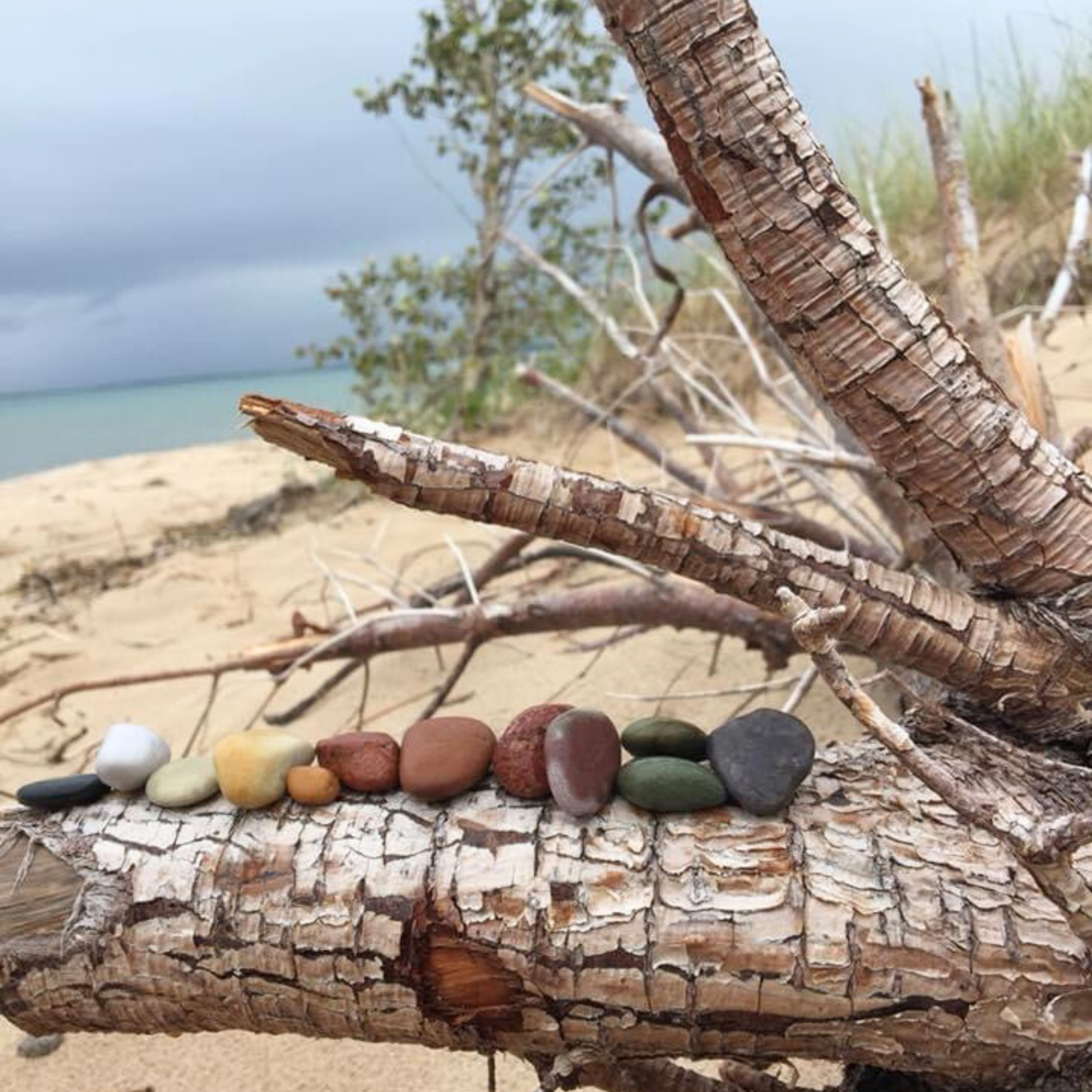
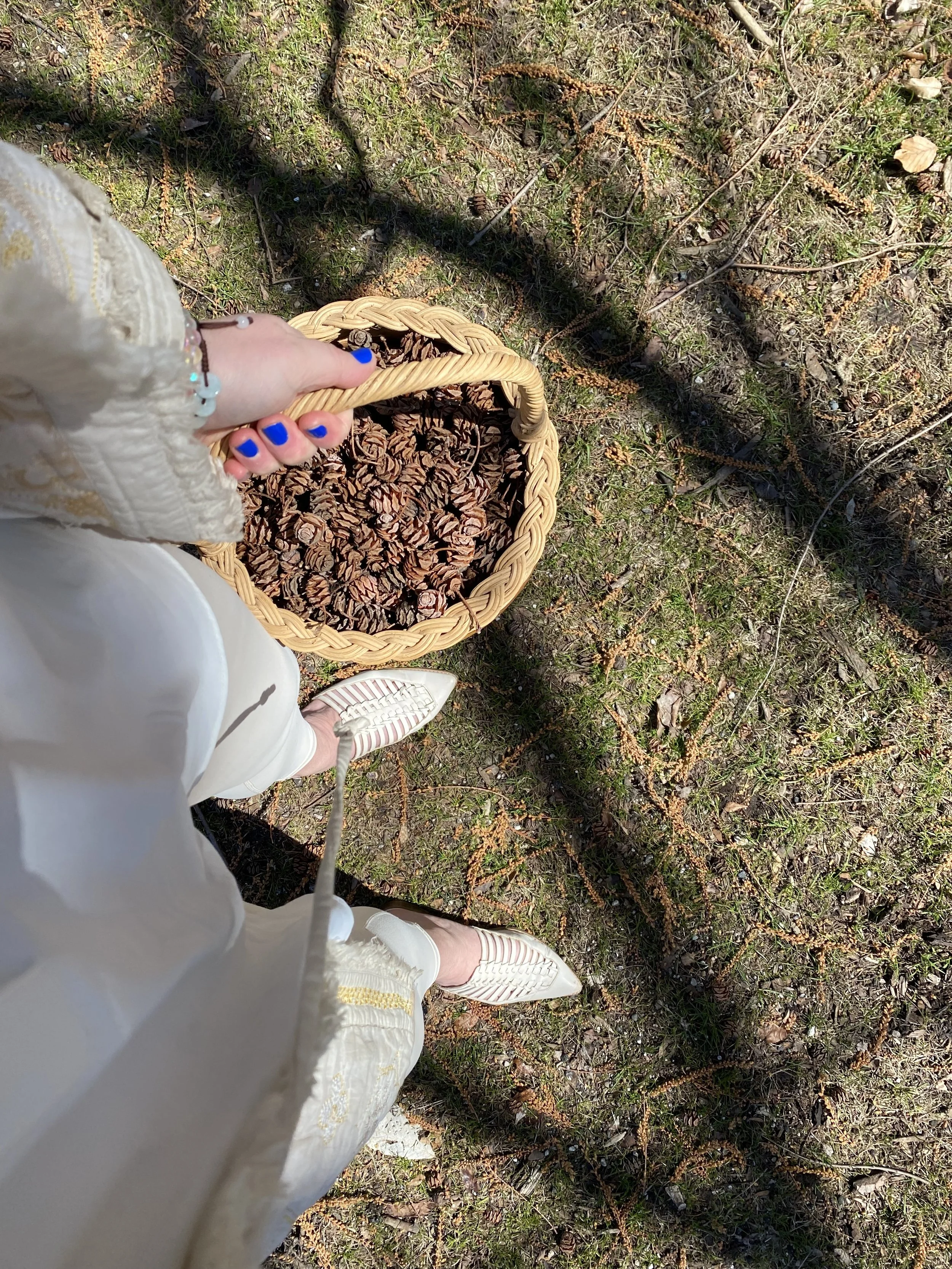
Selected Images & Documentation: Gather | Forage
Selected Images & Documentation: Collect
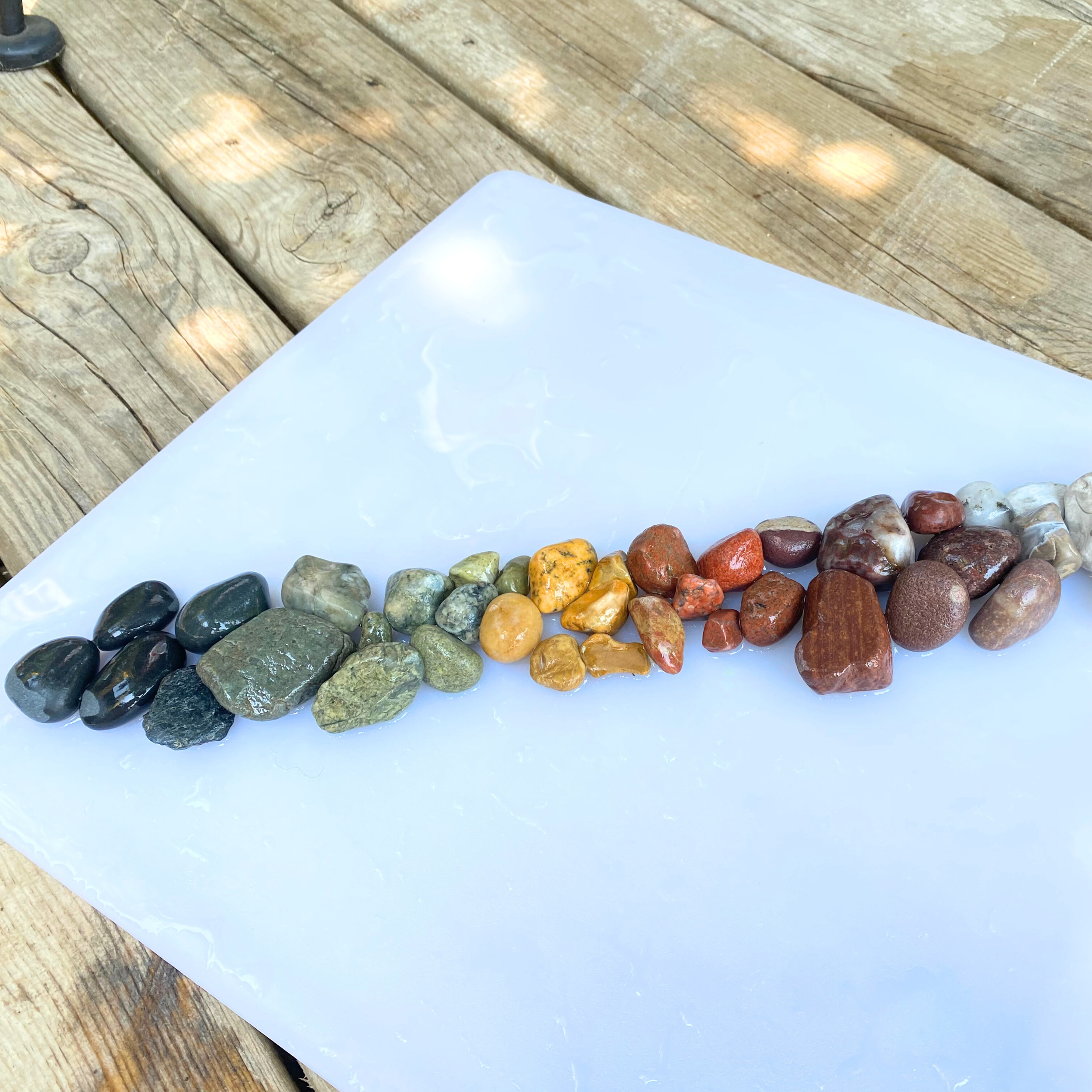
Selected Images & Documentation: Journal
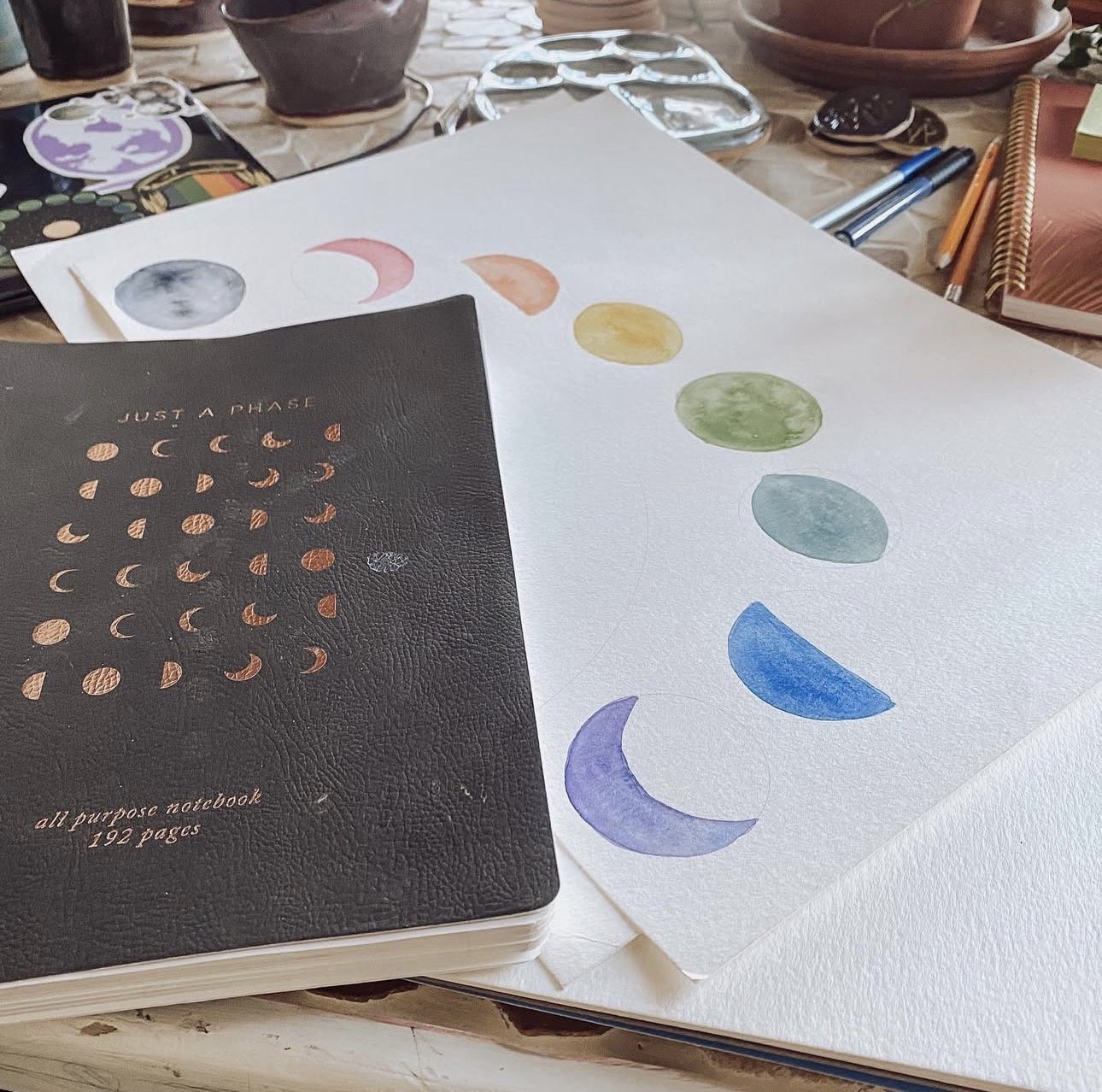
A peek into Process:
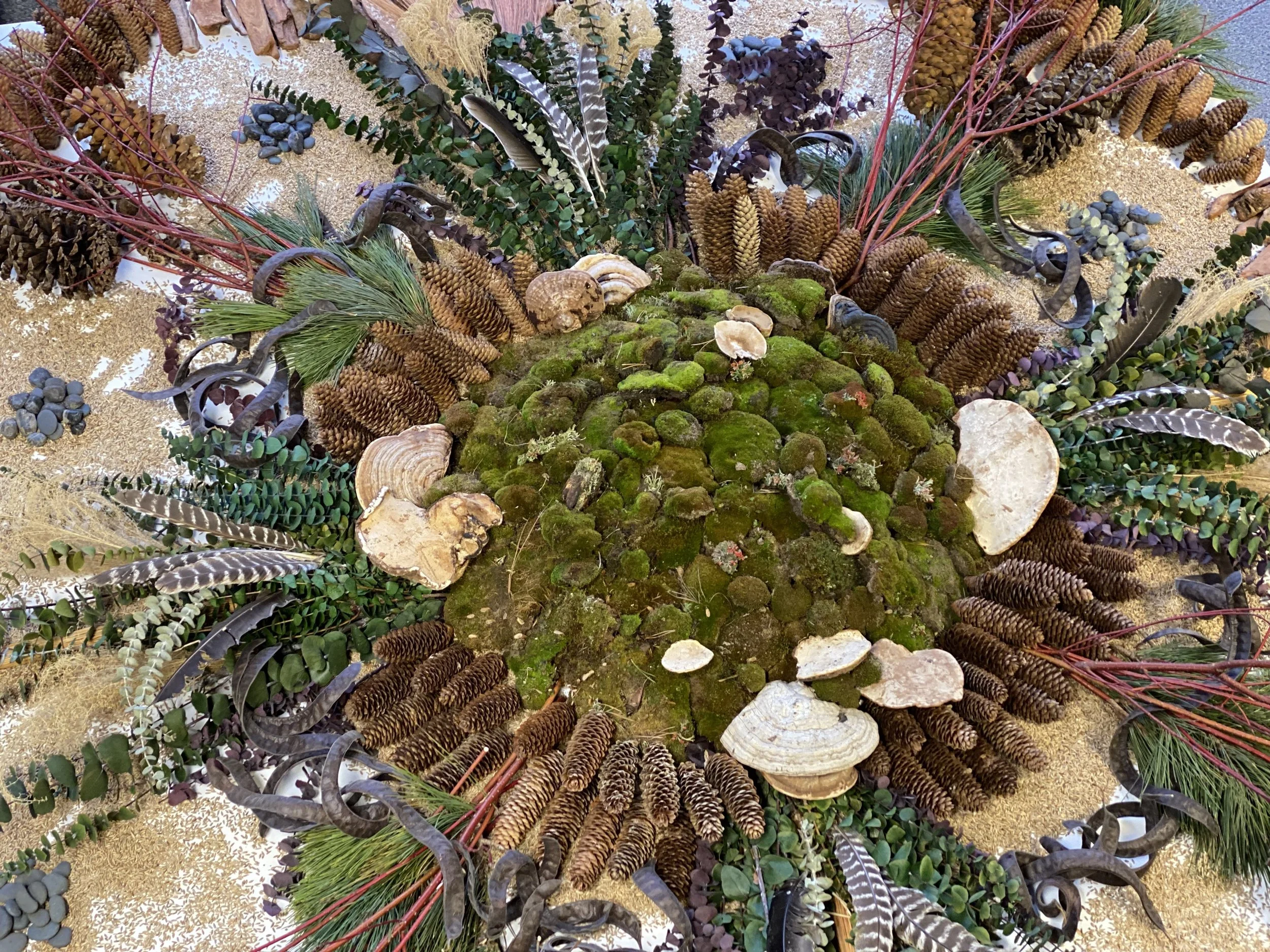
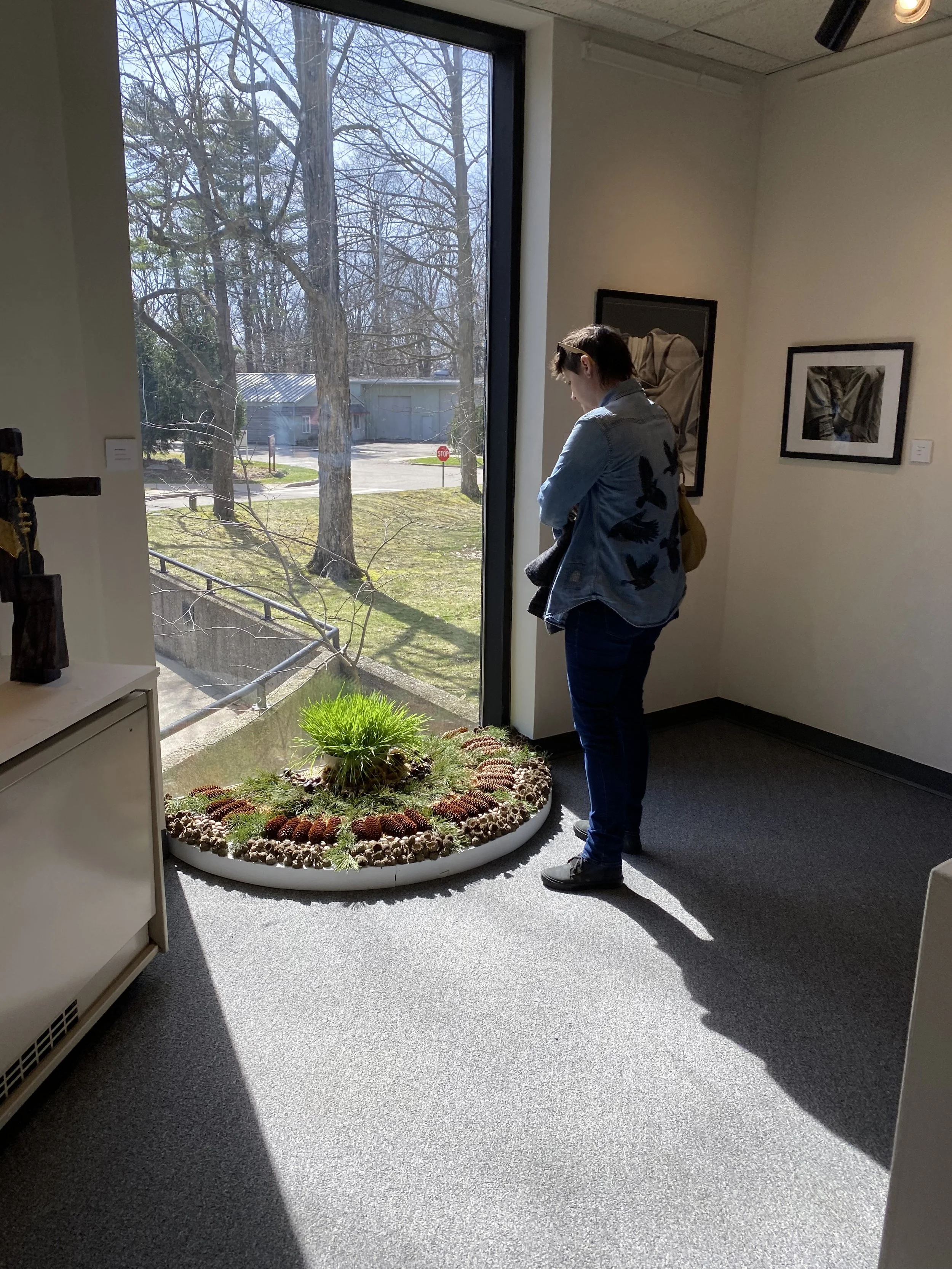
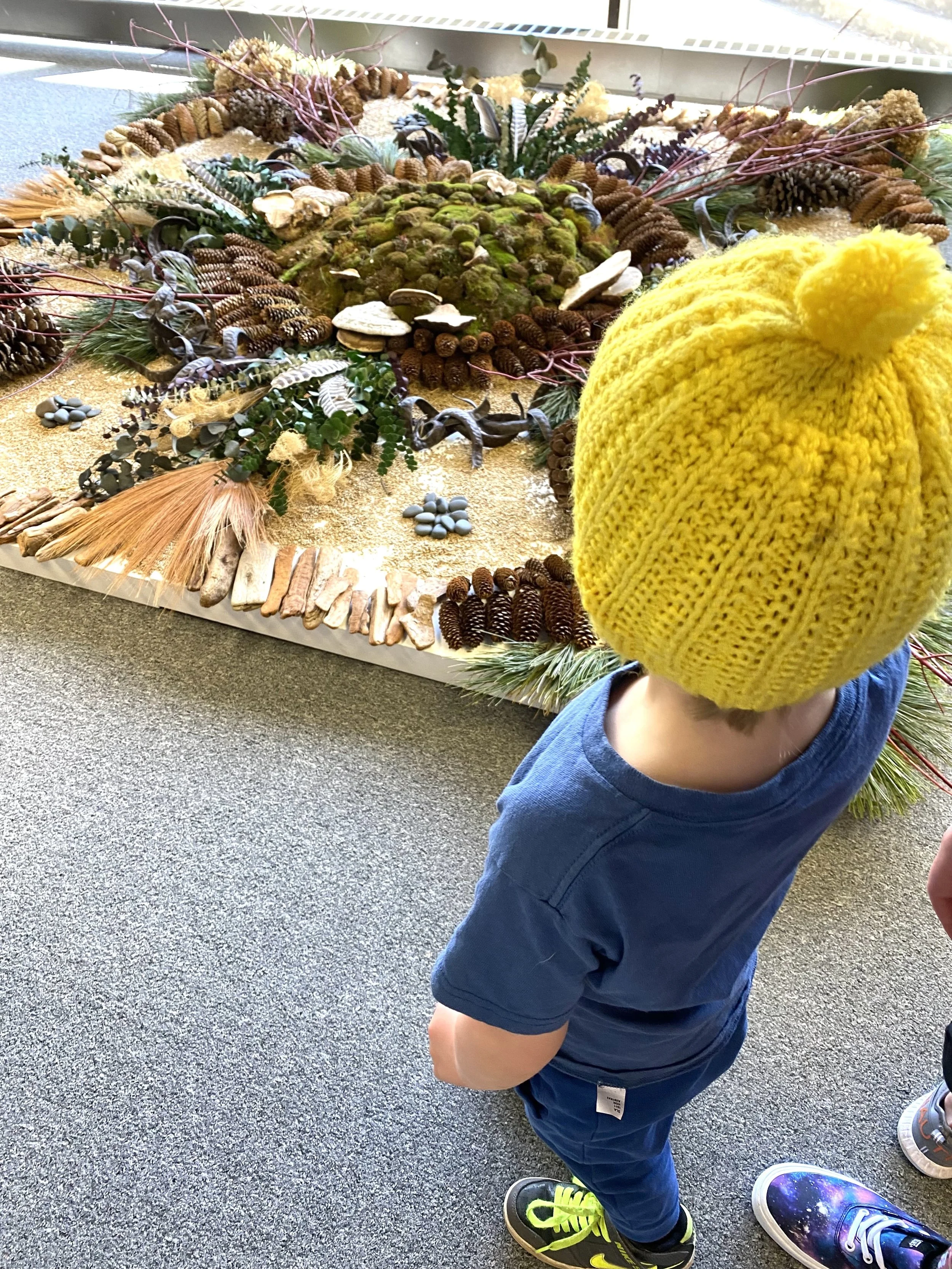
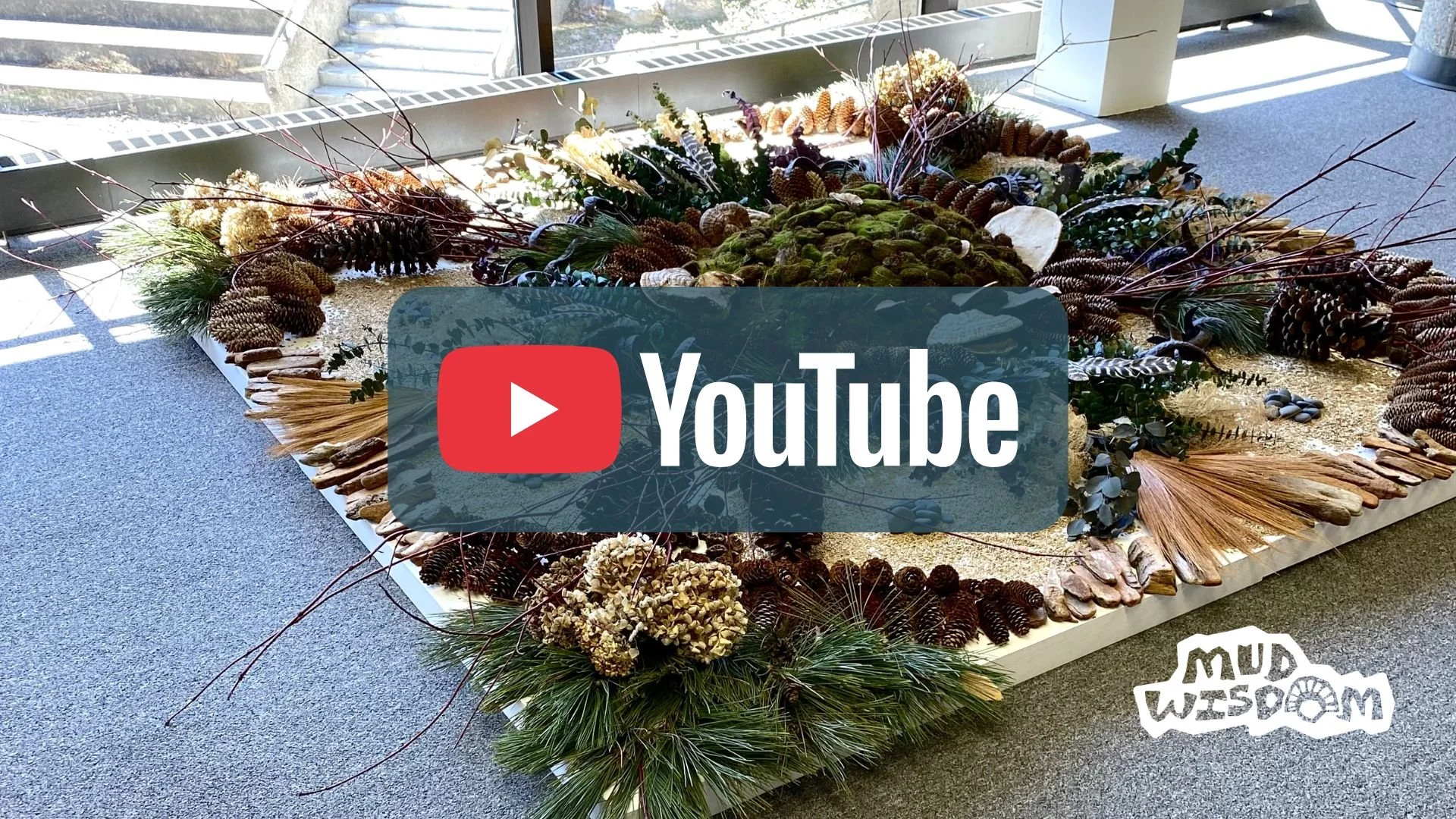
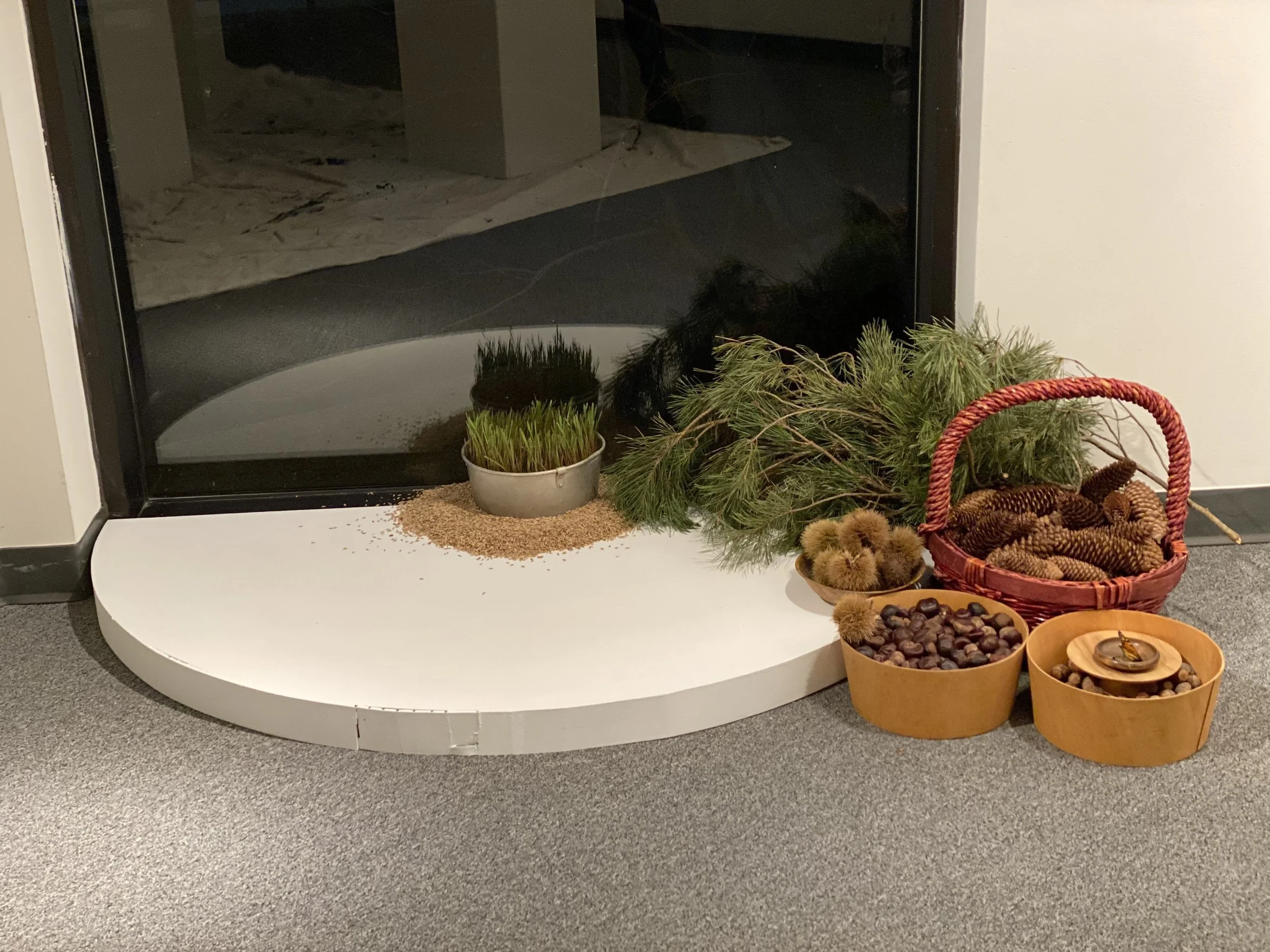
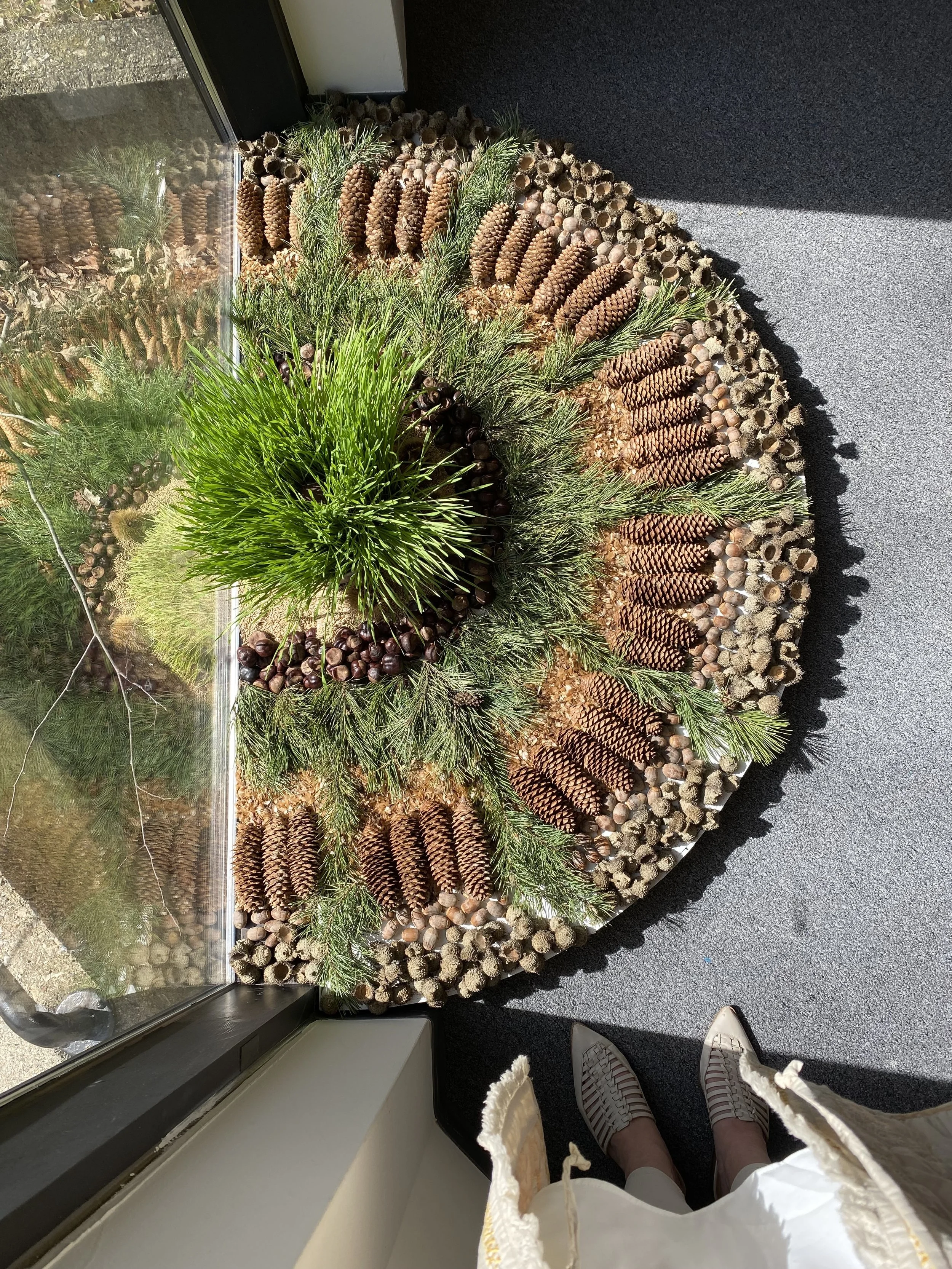
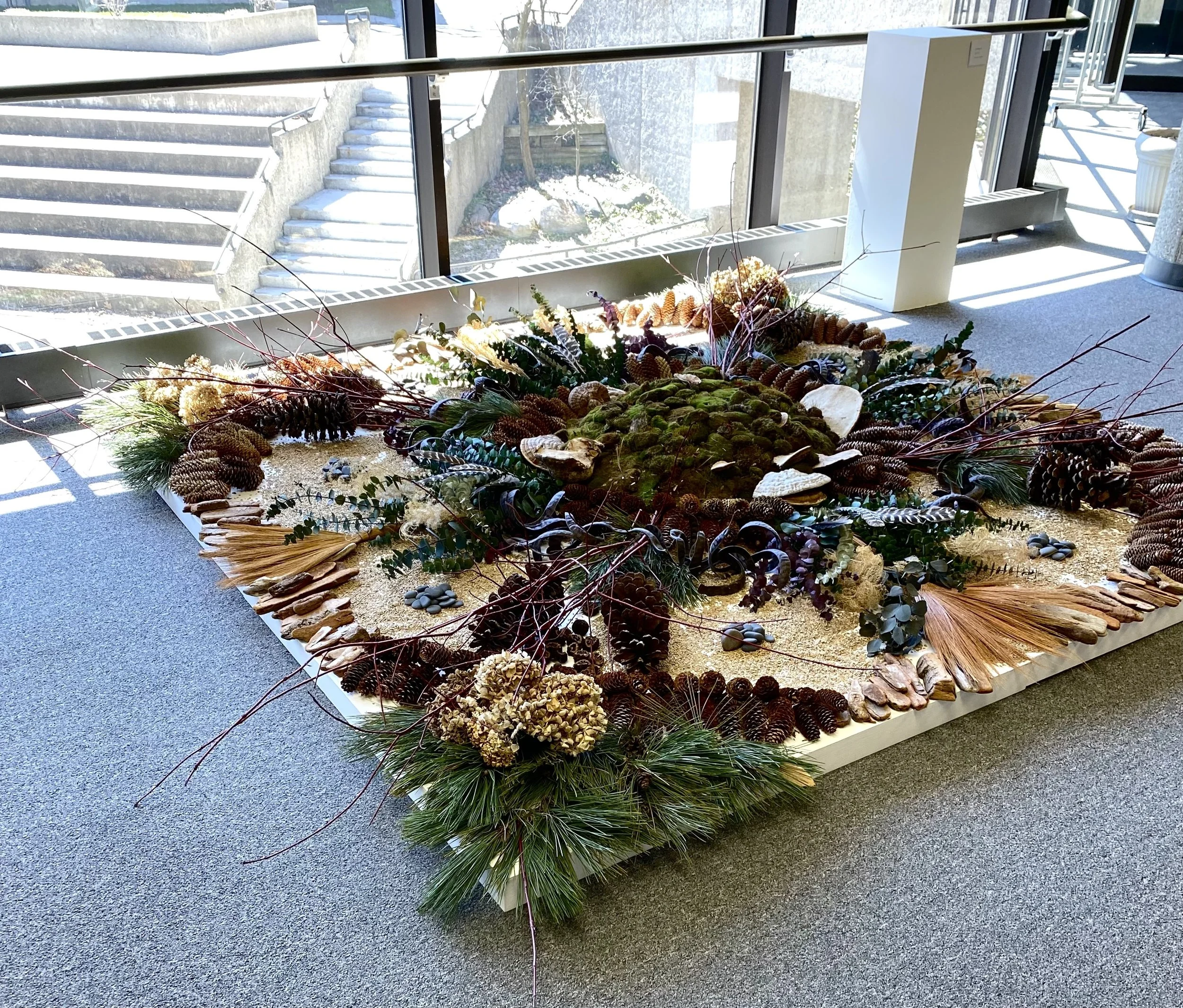
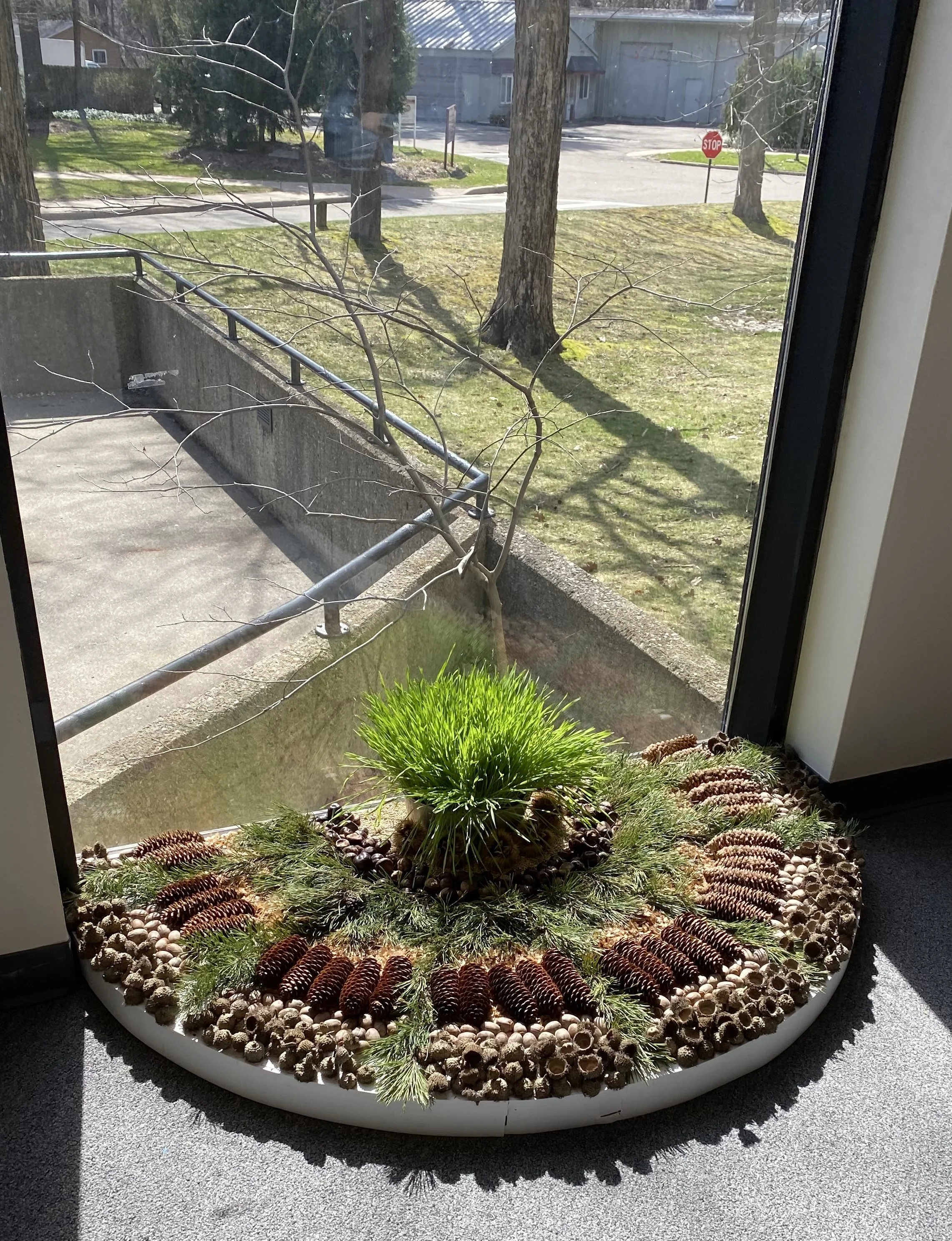
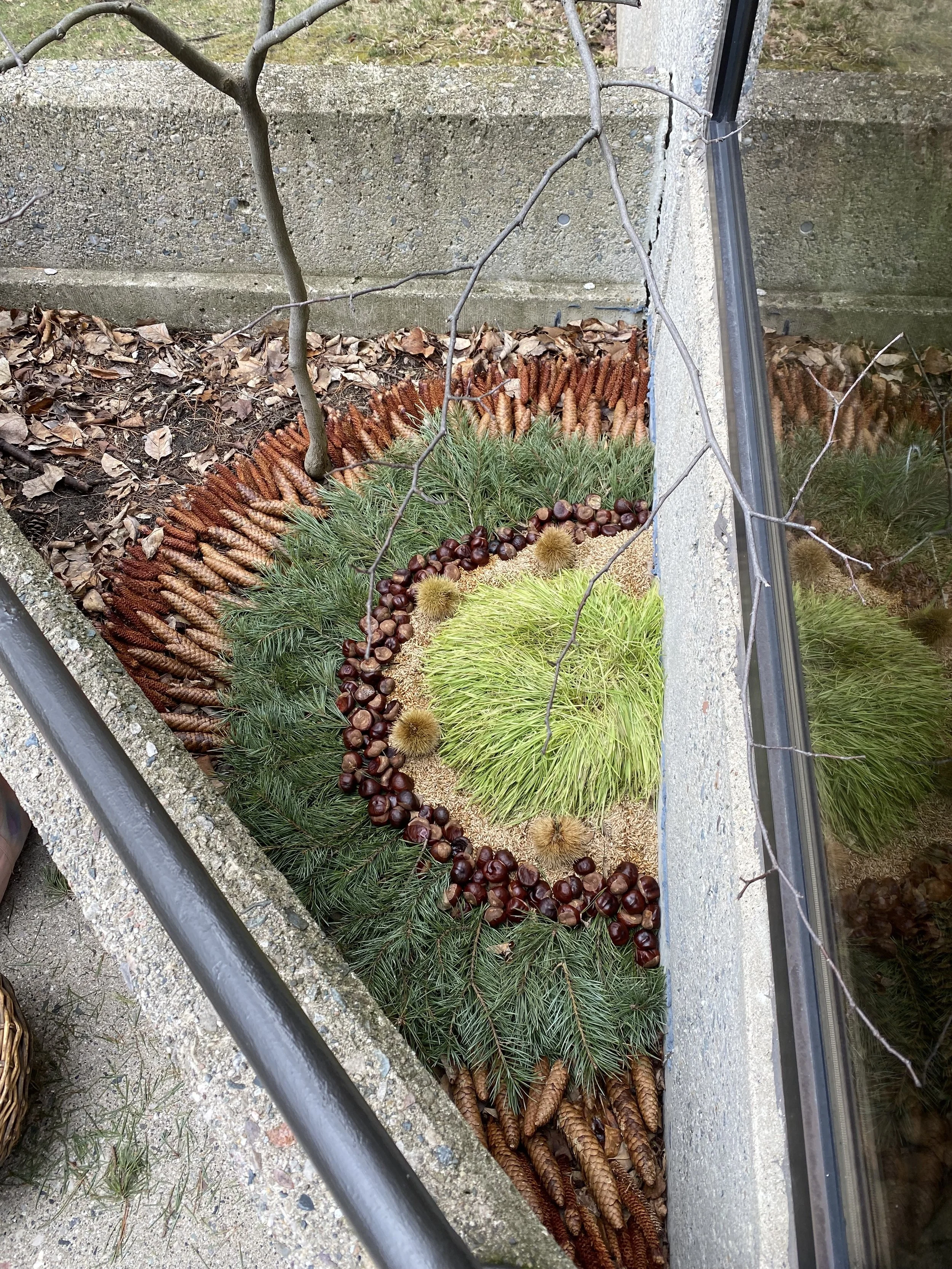
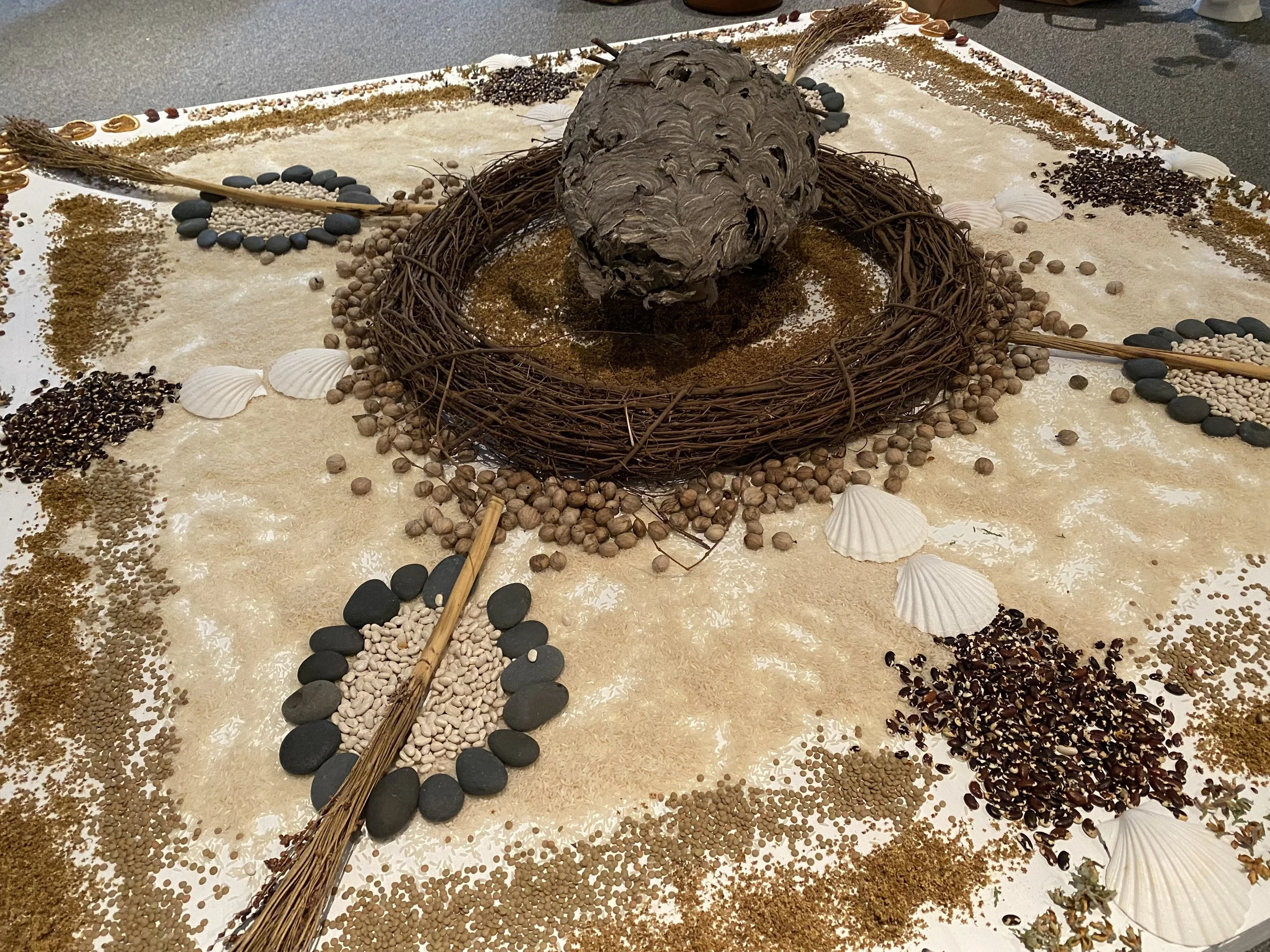
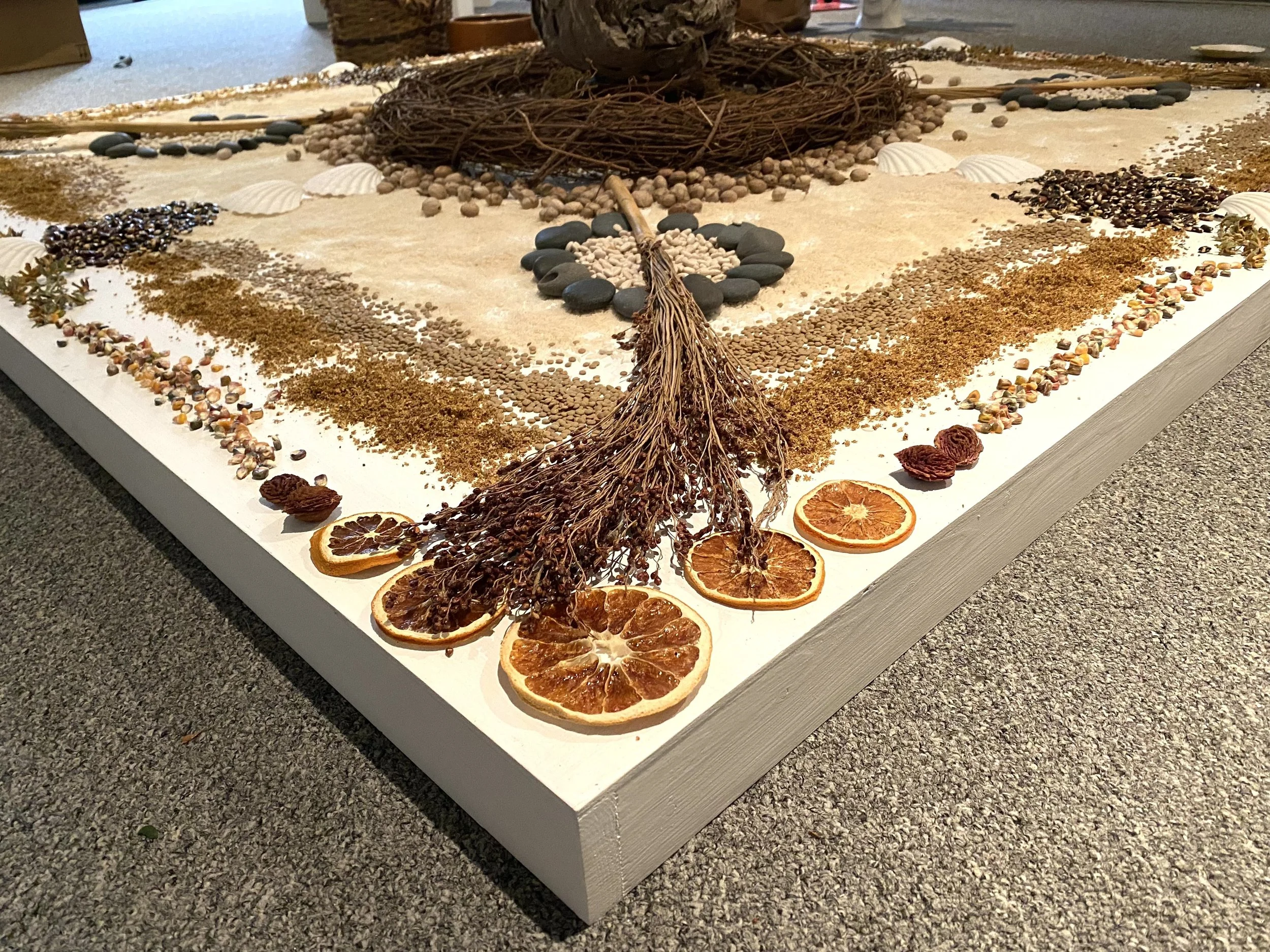
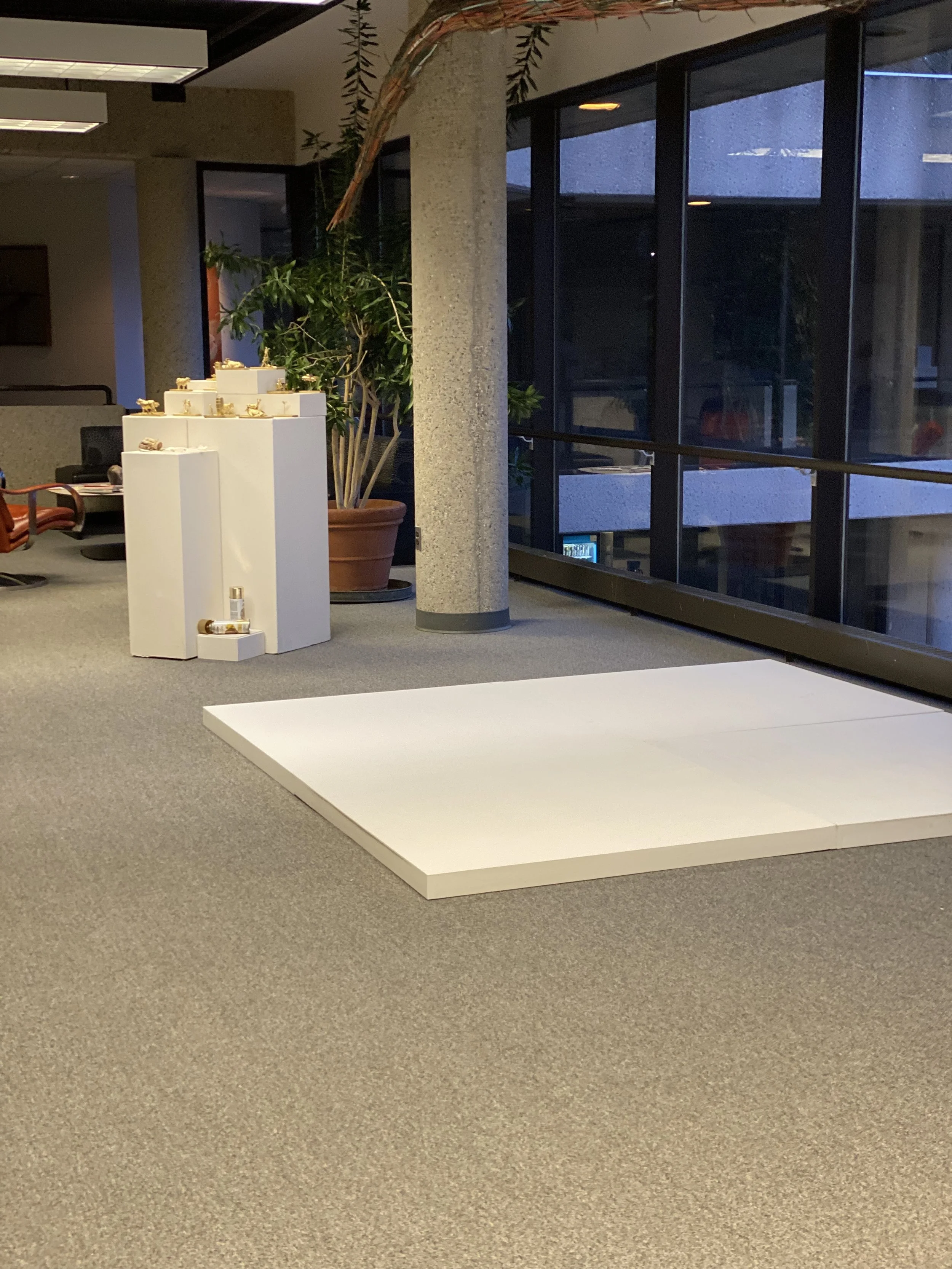
Installation of a Mandala
“In the products of the unconscious we discover mandala symbols, that is, circular and quaternity figures which express wholeness.”
-Carl Jung
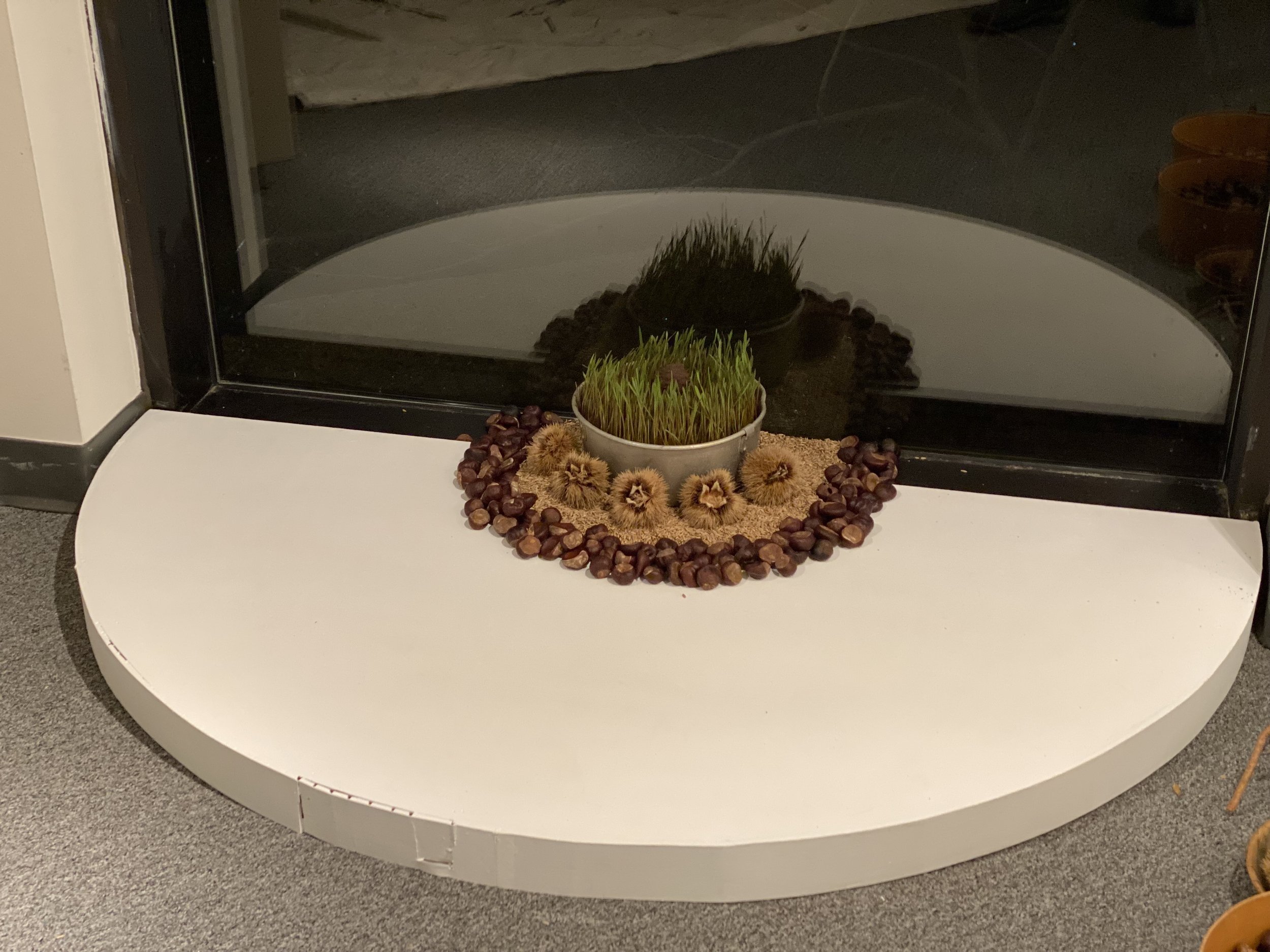
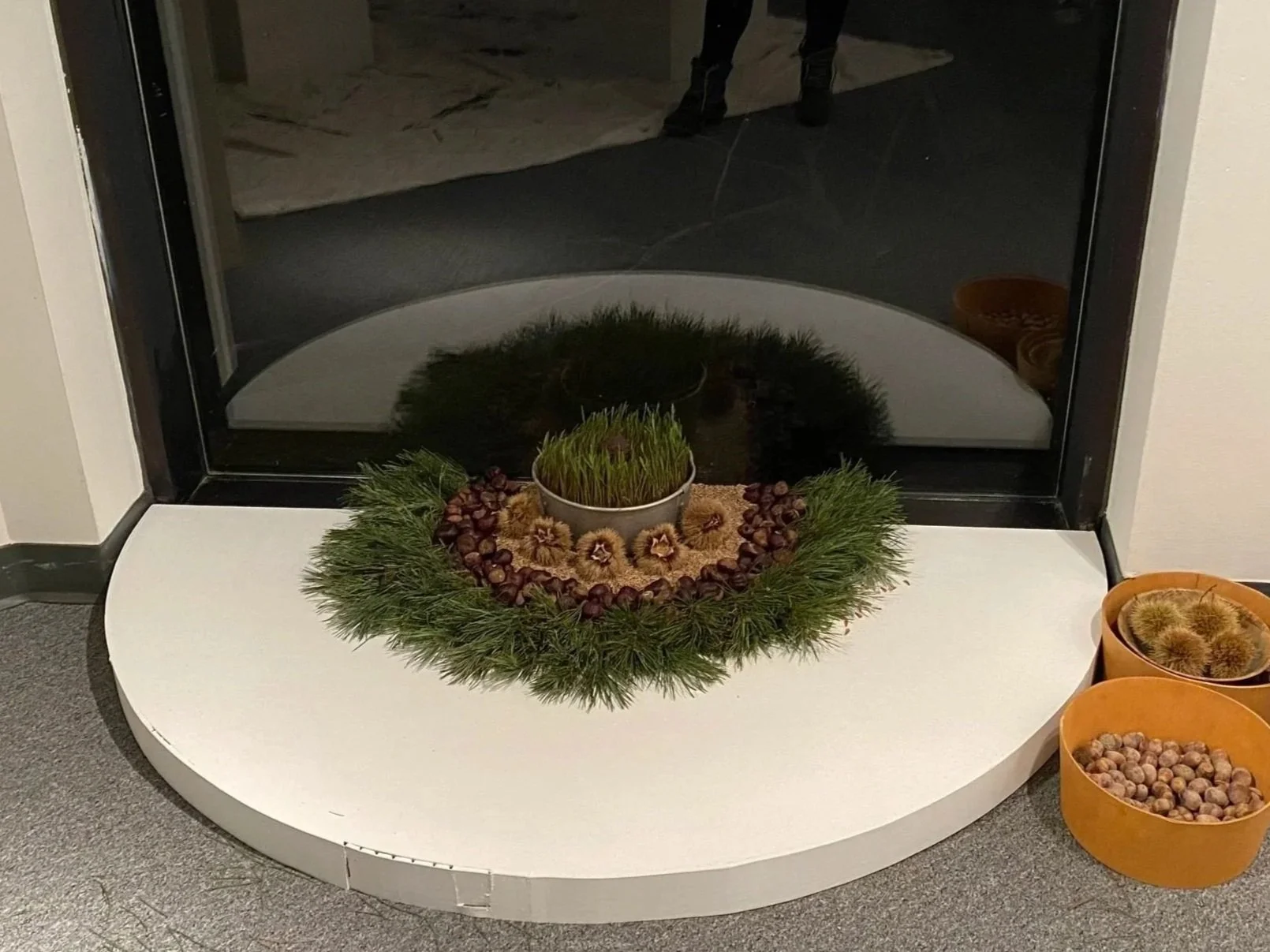
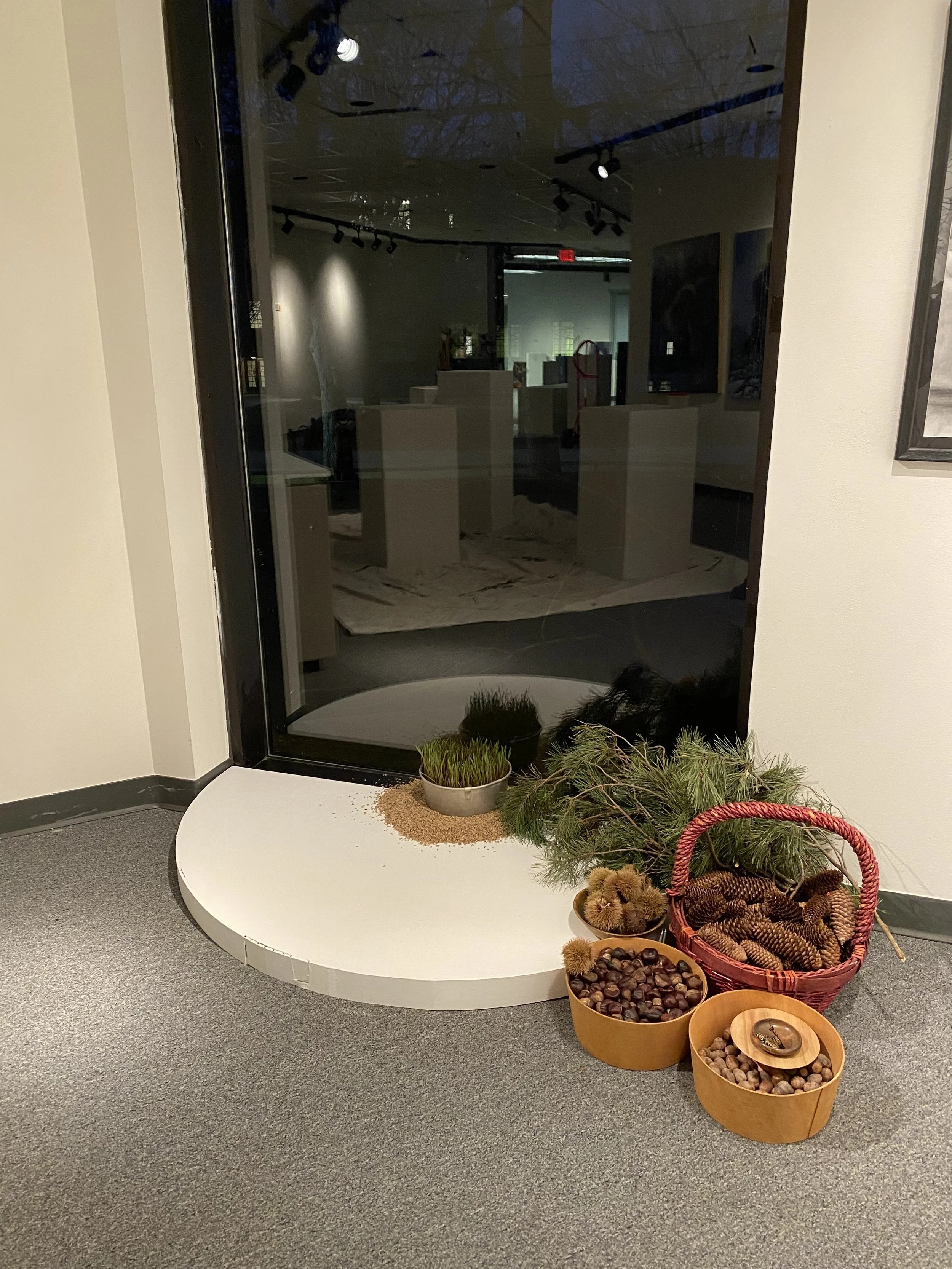
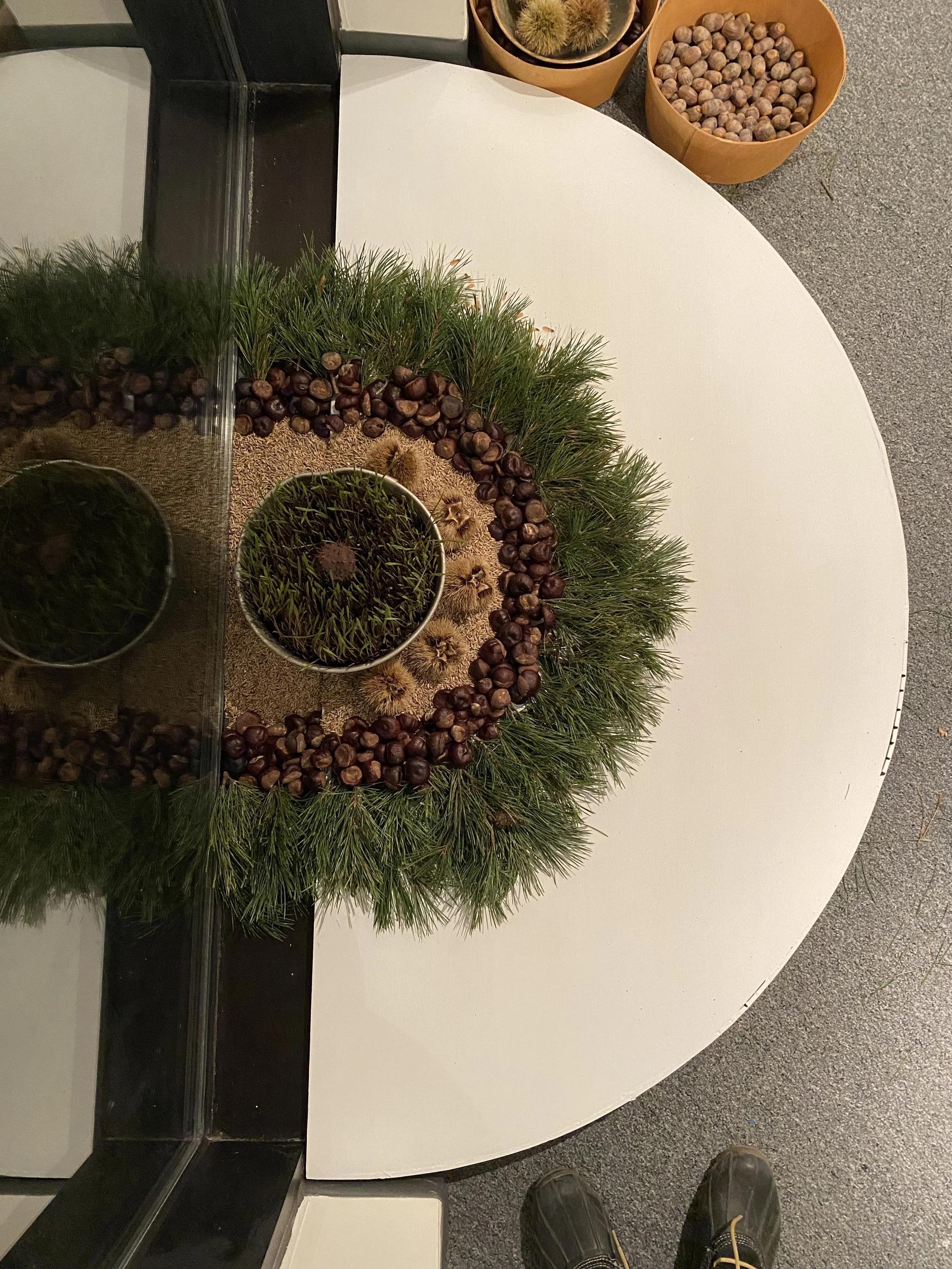
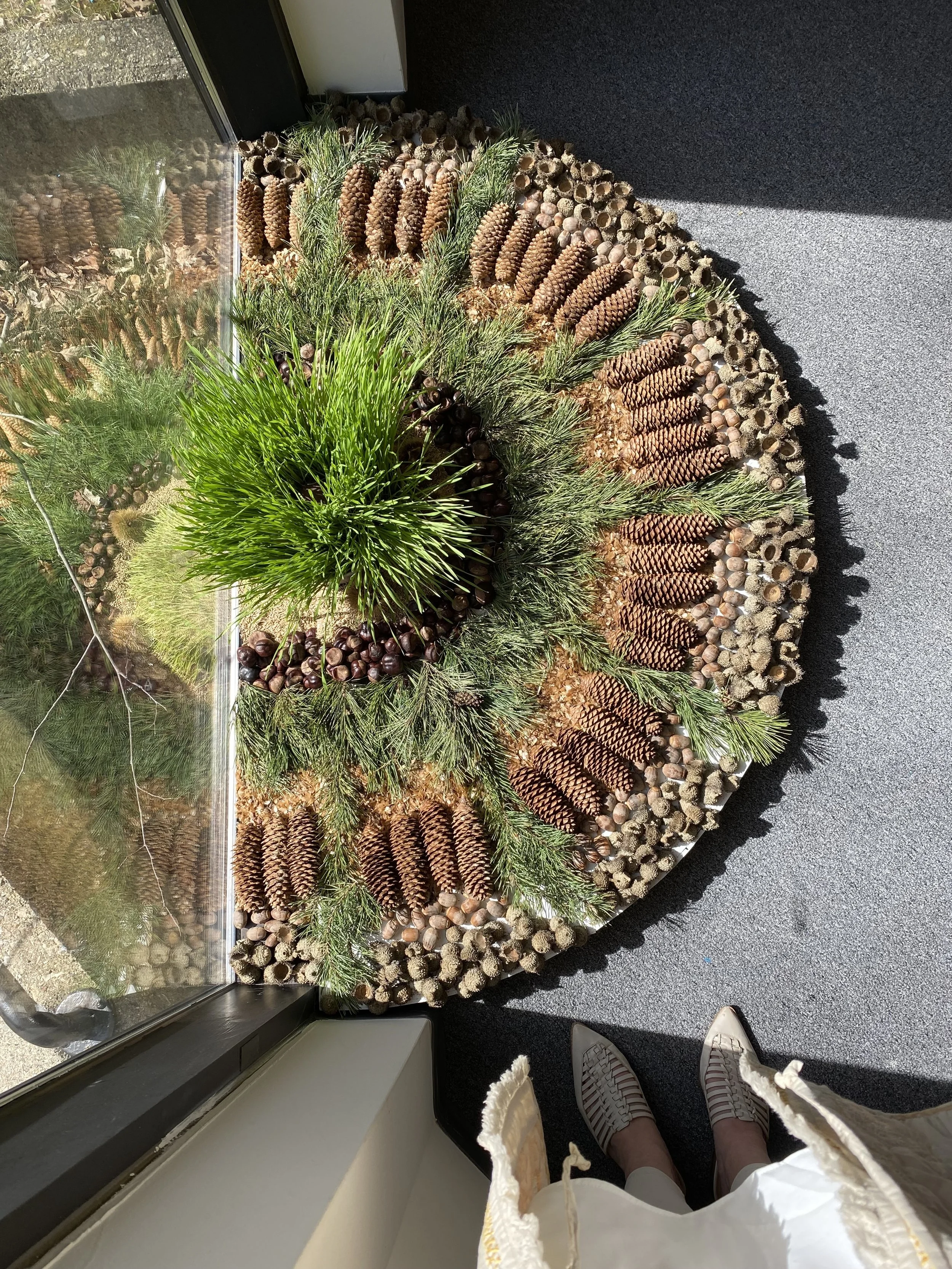
Why this matters for mandala practice:
Jung believed mandalas emerge naturally when the psyche seeks balance and integration. The act of drawing or building a circular pattern—whether in paint, sand, or mosaic—becomes a visible map of the self reorganizing toward wholeness.
In other words:
The mandala is not decoration.
It is a psychological instrument for centering the mind.
Repetition and symmetry help the nervous system settle into order.
This is why mandala making often feels meditative rather than analytical.
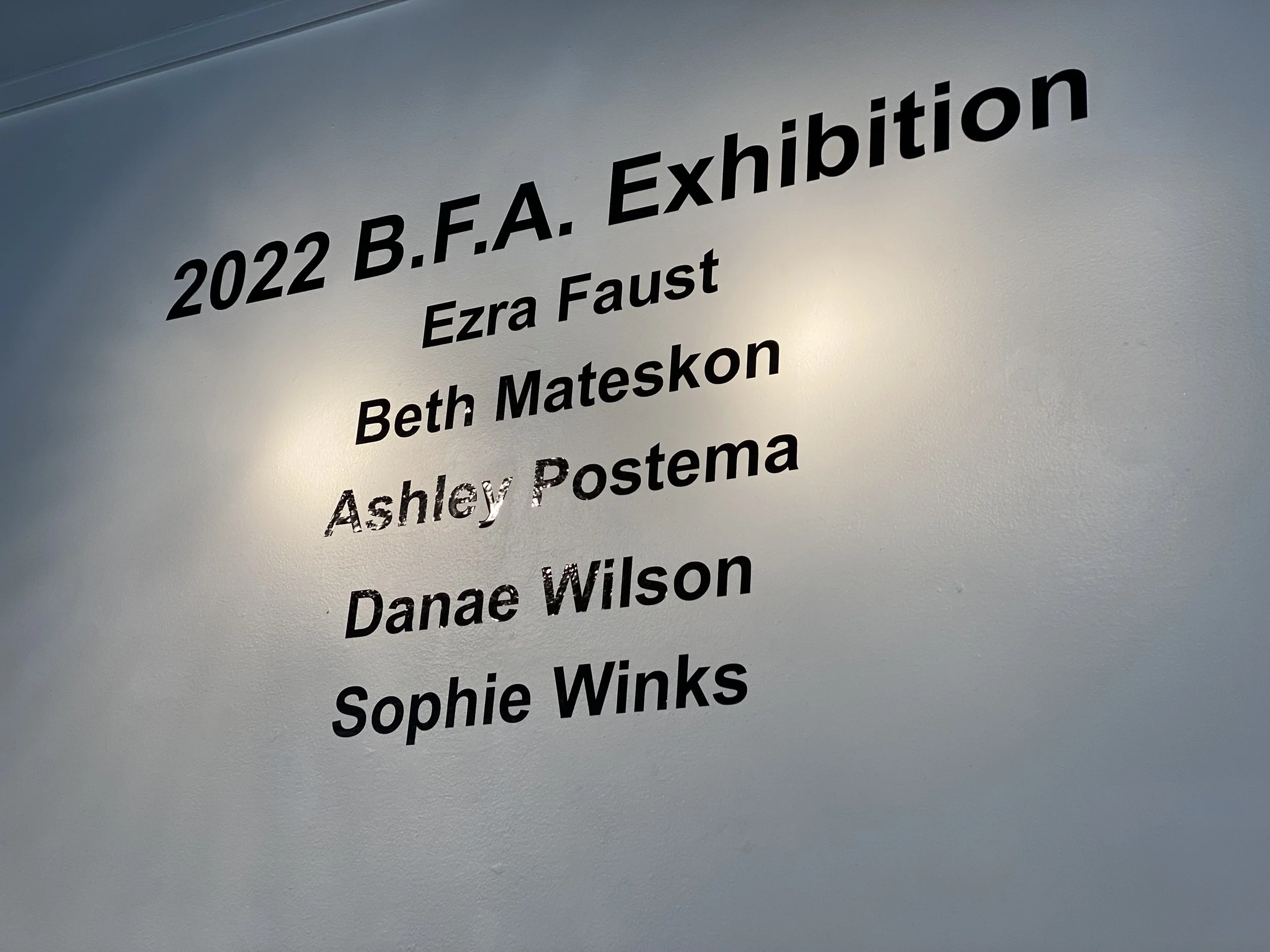
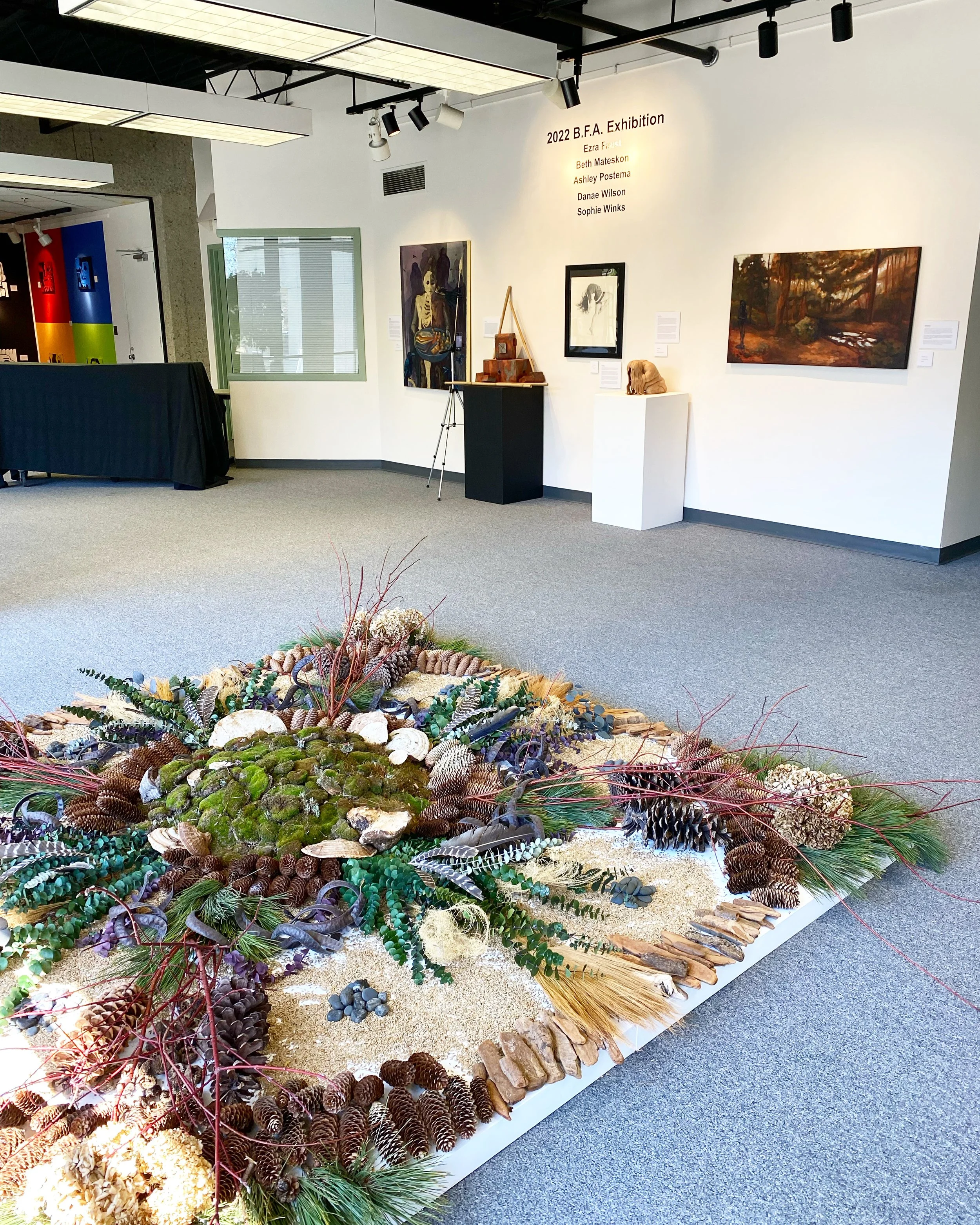
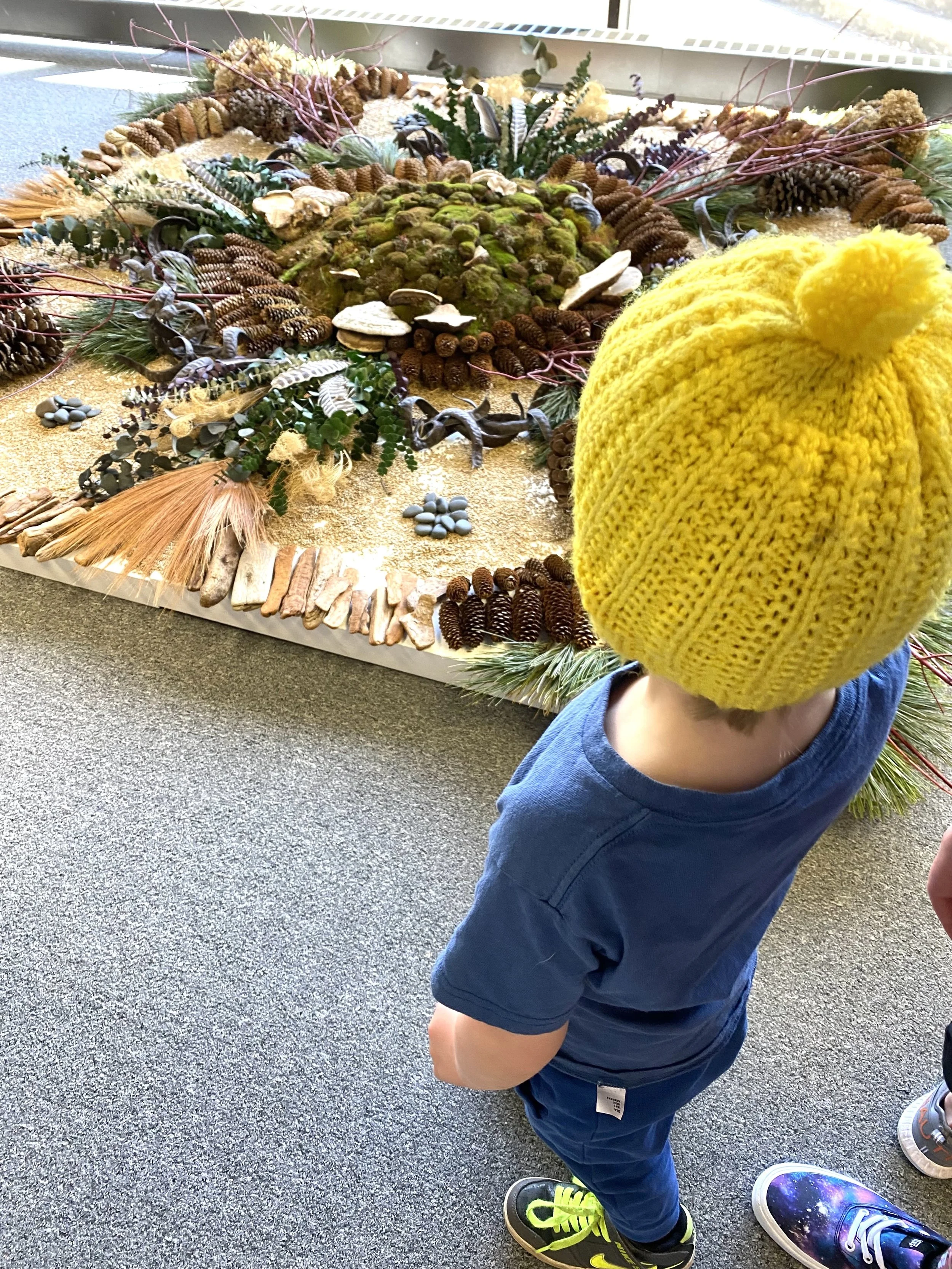
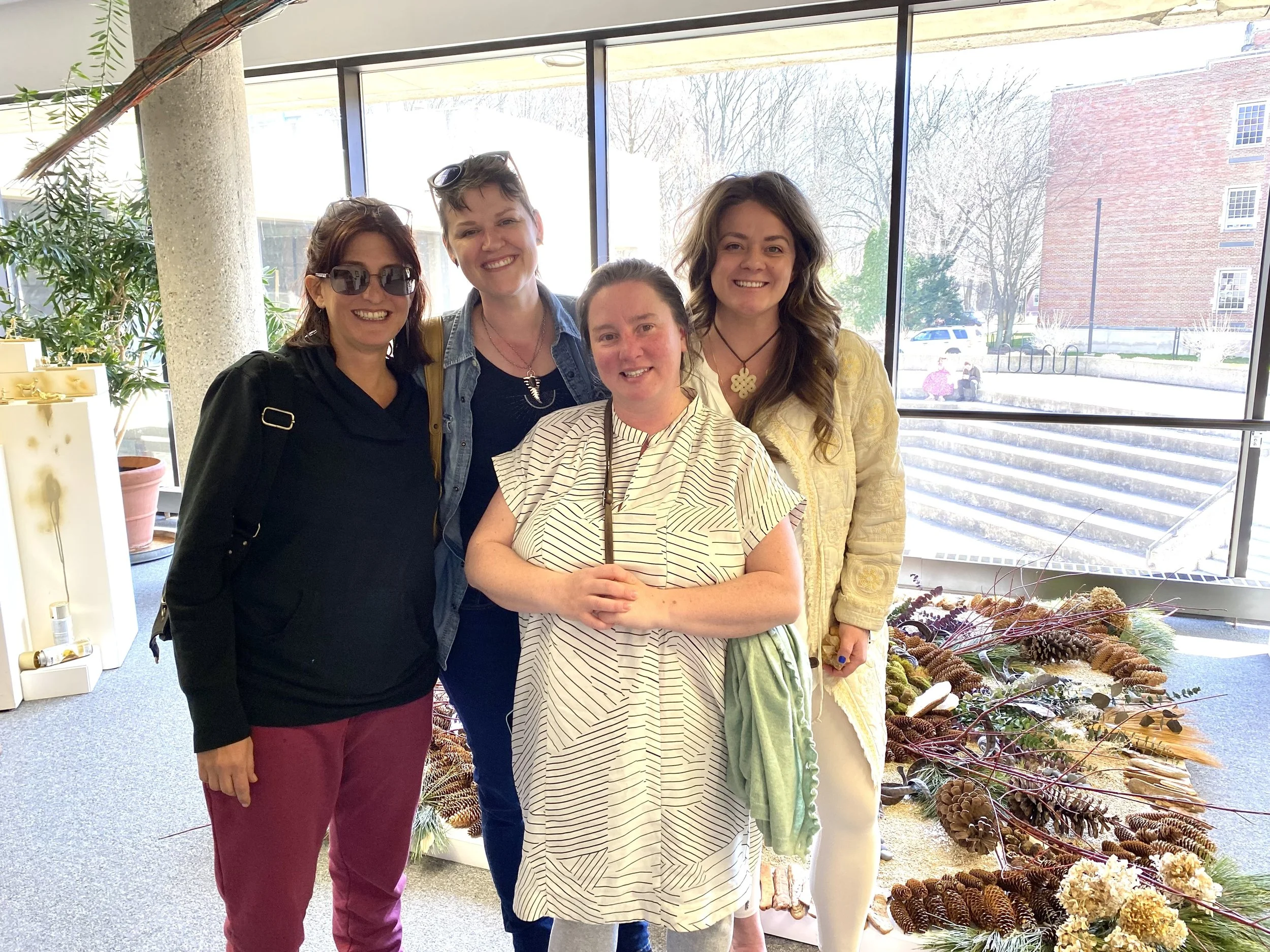
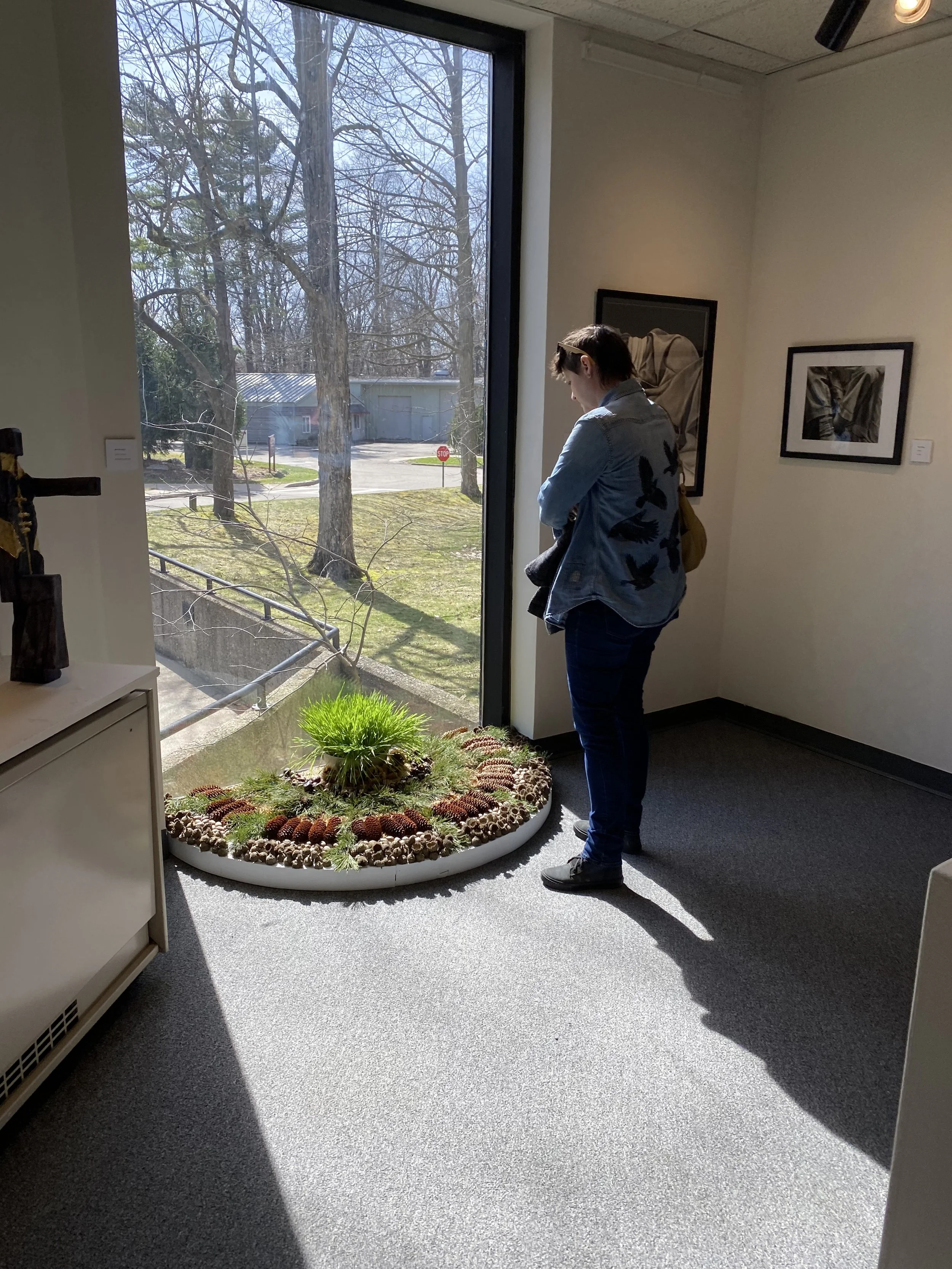
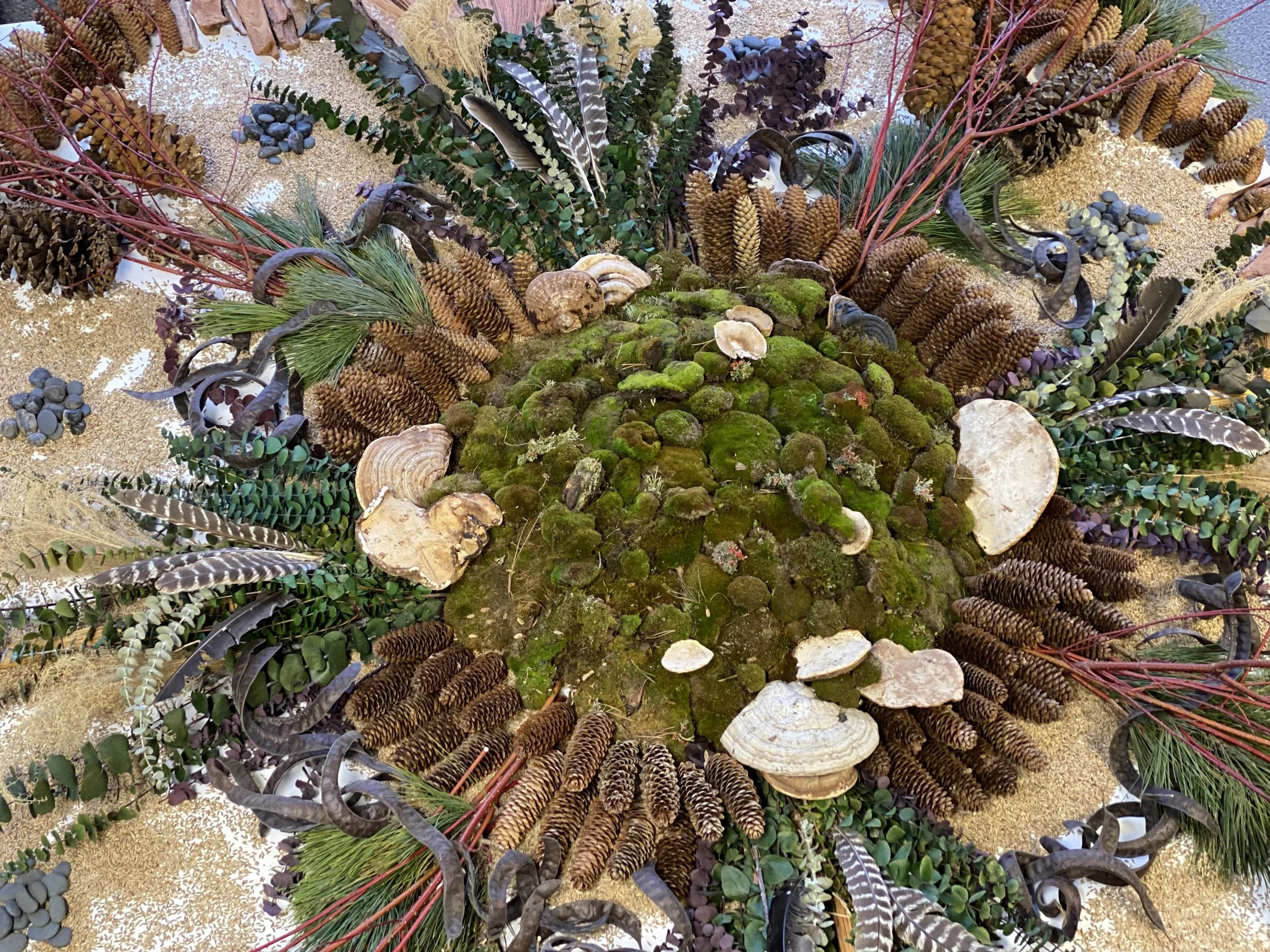
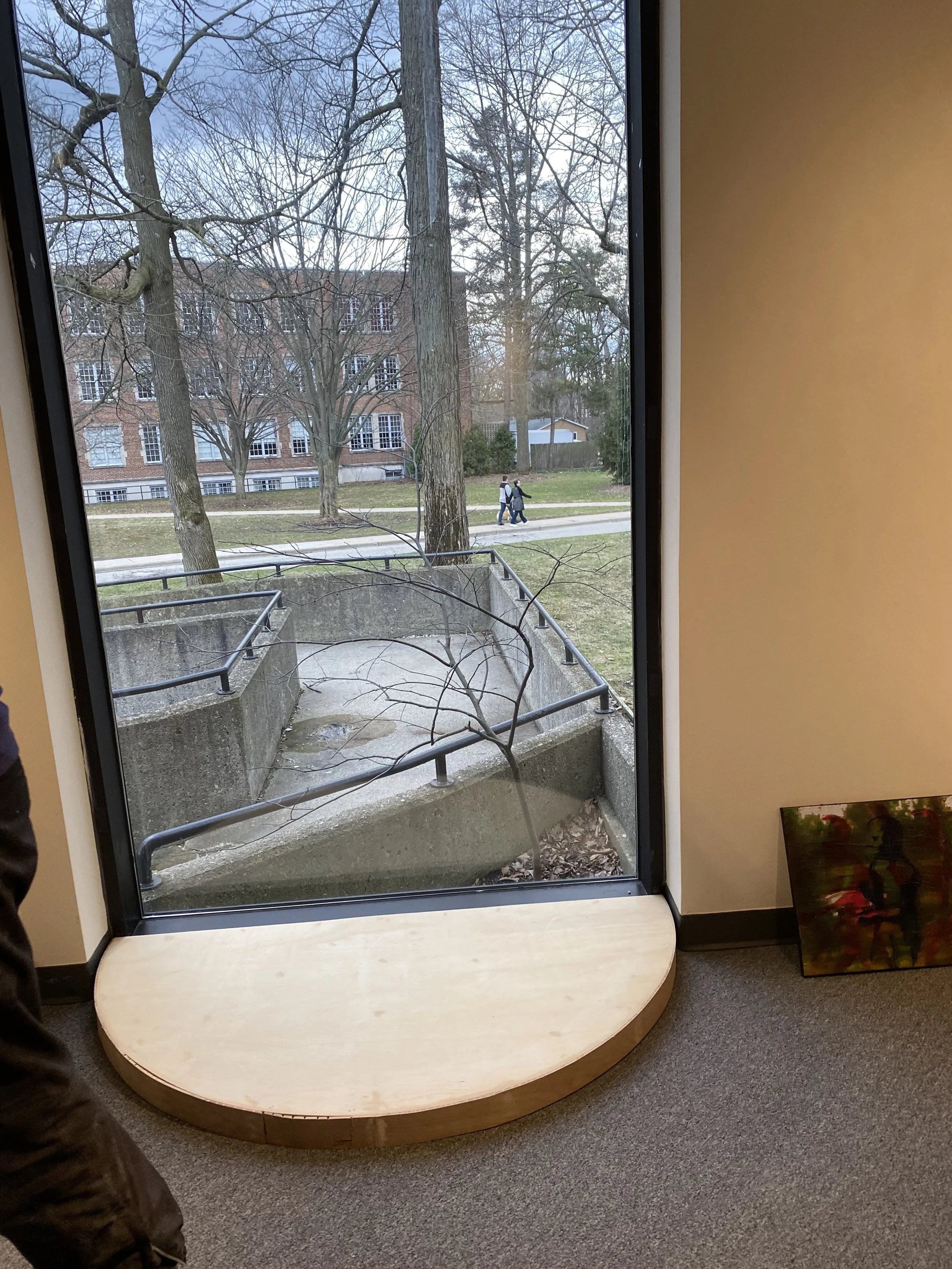
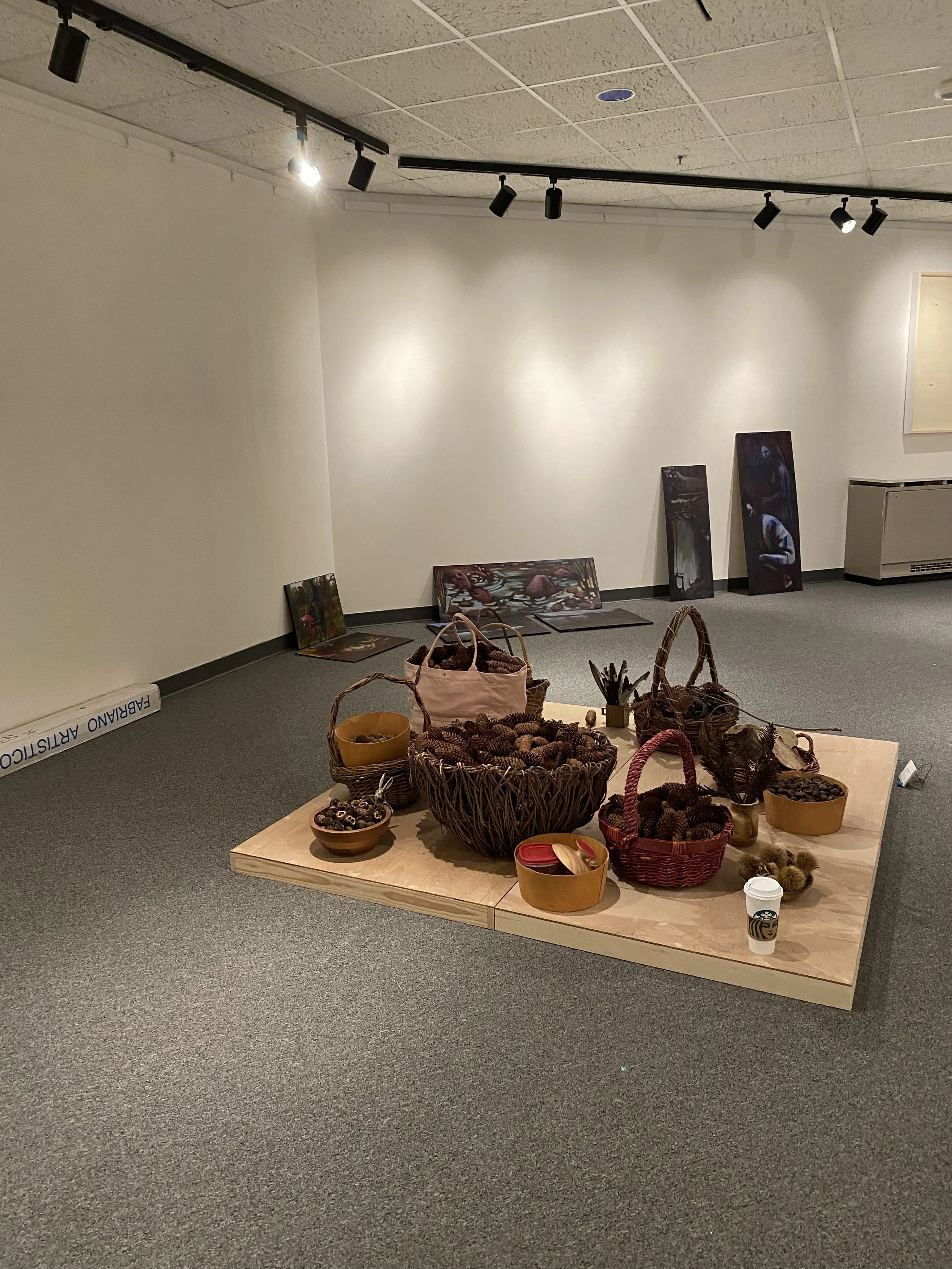
BFA Exhibition at Aquinas College
Grand Rapids, Michigan

final
Thoughts